

What is new for Northwoods Drifter in 2026

The debate over Wisconsin’s most controversial labor law in decades is heating up again in the Northwoods. With the 2026 governor’s race taking shape, Act 10 — the 2011 law that fundamentally changed how public employees negotiate wages and benefits — has become a central campaign issue.
For folks up here who work in schools, county offices, or municipal buildings, this isn’t just political theater. It’s about their paychecks, their retirement, and whether they have a voice at the bargaining table.
Back in 2011, Governor Scott Walker signed Act 10 into law during what felt like a political earthquake. Thousands protested at the Capitol in Madison, and the law sparked recall elections across the state.
The law stripped most public employees of their ability to negotiate on anything beyond basic wages. Health insurance, working conditions, vacation time — all off the table. It also required unions to recertify annually and eliminated automatic dues collection from paychecks.
Police and firefighters were largely exempted, which has created its own legal headaches over the years.
Tom Tiffany, who represents Wisconsin’s 7th Congressional District and was in the state Assembly when Act 10 passed, defends the law as necessary budget medicine. “What Act 10 did is put elected officials in charge of their budget,” Tiffany says, pointing to the $3 billion deficit the state faced at the time.
Conservative estimates suggest Act 10 has saved Wisconsin taxpayers over $35 billion since implementation. For rural counties like Oneida and Forest, those savings translated to local budgets with more breathing room.
But those savings came with trade-offs that anyone trying to hire teachers or county workers knows all too well.
Mandela Barnes, the former Lieutenant Governor now running for governor, argues the real cost shows up in empty classrooms and unfilled positions. “We have paid so much more in terms of the consequences of a workforce that has been decimated,” Barnes says.
“Act 10 has been a very harmful and divisive law, and it has caused a teacher retention crisis that is hurting every single school district in the state.” — Kelda Roys, Democratic gubernatorial candidate
Drive through Rhinelander or any Northwoods community and talk to school administrators. They’ll tell you about open positions that go unfilled, teachers leaving for Minnesota or Michigan where collective bargaining still exists, and the challenge of convincing young people to enter public service careers.
Union membership in Wisconsin dropped faster than almost anywhere else in the country over the past 15 years. That’s not abstract data — it’s your neighbor who used to teach third grade and now works in the private sector.
Democratic candidates campaigning across Wisconsin have made repealing Act 10 a centerpiece of their platforms. They argue that Wisconsin, which in 1959 became the first state to grant public employees collective bargaining rights, should return to its progressive roots.
The question up here in the Northwoods, where property taxes are already a hot-button issue, is what that would cost.
Tiffany warns that undoing Act 10 would hit homeowners’ wallets hard. “If Act 10 goes away, you’re going to see them go up significantly more than what we saw happen in December,” he says, referring to recent property tax increases.
Barnes and other Democrats counter that even if repeal costs “a billion to two billion dollars per year,” the investment is worth it to rebuild Wisconsin’s public workforce and middle class. They point to the state’s current budget surplus as evidence that the original fiscal crisis justification no longer holds water.
Here’s what both sides agree happened after Act 10:
What they disagree on is whether these changes represent smart fiscal management or a race to the bottom that’s hollowing out public services.
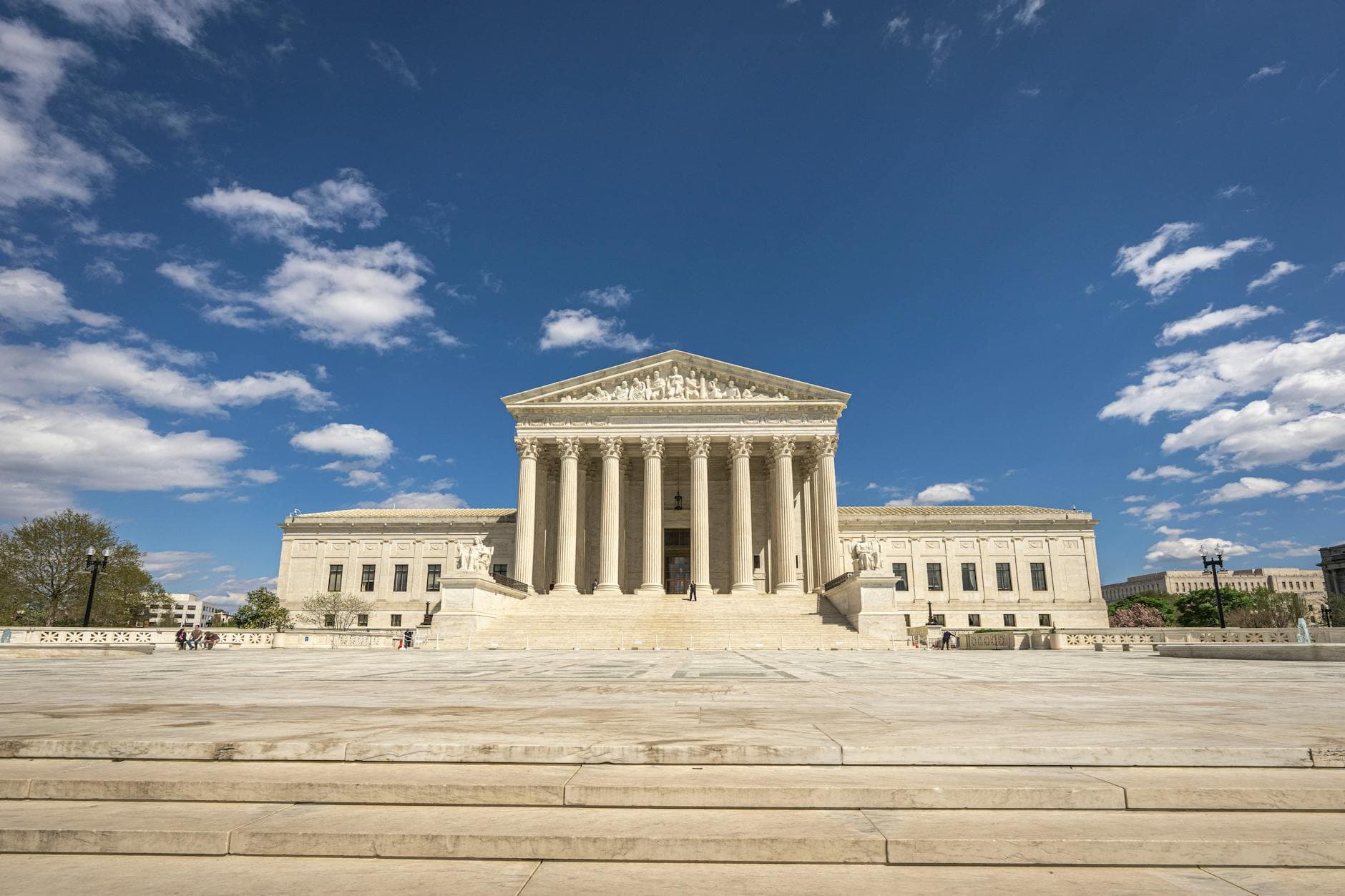
The Wisconsin Supreme Court is expected to hear new legal challenges to Act 10 later this year. Back in 2014, the court upheld the law entirely. But times have changed.
A circuit court judge ruled in 2024 that treating police and firefighters differently than other public employees raises constitutional concerns about equal protection. That decision could open the door to broader challenges.
For Northwoods residents, the legal wrangling matters because it could reshape local government operations regardless of who wins the governor’s race. County boards, school districts, and municipal councils across the region are watching closely.
Whether you see Act 10 as fiscal responsibility or union-busting probably depends on which side of the bargaining table you sit. But up here in the Northwoods, where public sector jobs are a significant part of the economy alongside tourism and forestry, the stakes feel personal.
Local teachers, county workers, and municipal employees make up a meaningful chunk of the year-round workforce. Their household spending supports local businesses. Their kids go to local schools. When their compensation and working conditions change, the ripple effects touch every corner of small-town life.
The 2026 governor’s race will give Wisconsinites a chance to weigh in on whether Act 10’s legacy is worth preserving or if it’s time to restore the collective bargaining rights that once made Wisconsin a national leader in labor policy. That’s a conversation worth having over coffee at your local diner, because the outcome will shape the Northwoods for years to come.
Written by

Mike has been coming up or living in the Northwoods since his childhood. He is also an avid outdoorsman, writer and supper club aficionado.
 News
NewsAspirus Wausau Hospital breaks ground on a $227 million expansion adding 48 beds, enhanced cardiac care, and advanced cancer treatment — the largest healthcare investment in Northwoods history.
 News
NewsWhen Tomahawk’s Todd Nicklaus honored his late father at the Lincoln Memorial, he completed an Honor Flight journey that never was — and reminded the Northwoods why these missions matter.
 News
NewsAfter a late April tornado damaged Riverside Elementary in Ringle, this Northwoods community rallied to reopen school in just eight days — a story of quick repairs, neighbor helping neighbor, and 460 students back where they belong.
 News
NewsAt 93 and legally blind, Rhinelander’s Larry Rappley still runs his tractor, splits firewood, and donates proceeds to homeless veterans — embodying the Northwoods spirit of resilience and community service.