

What is new for Northwoods Drifter in 2026
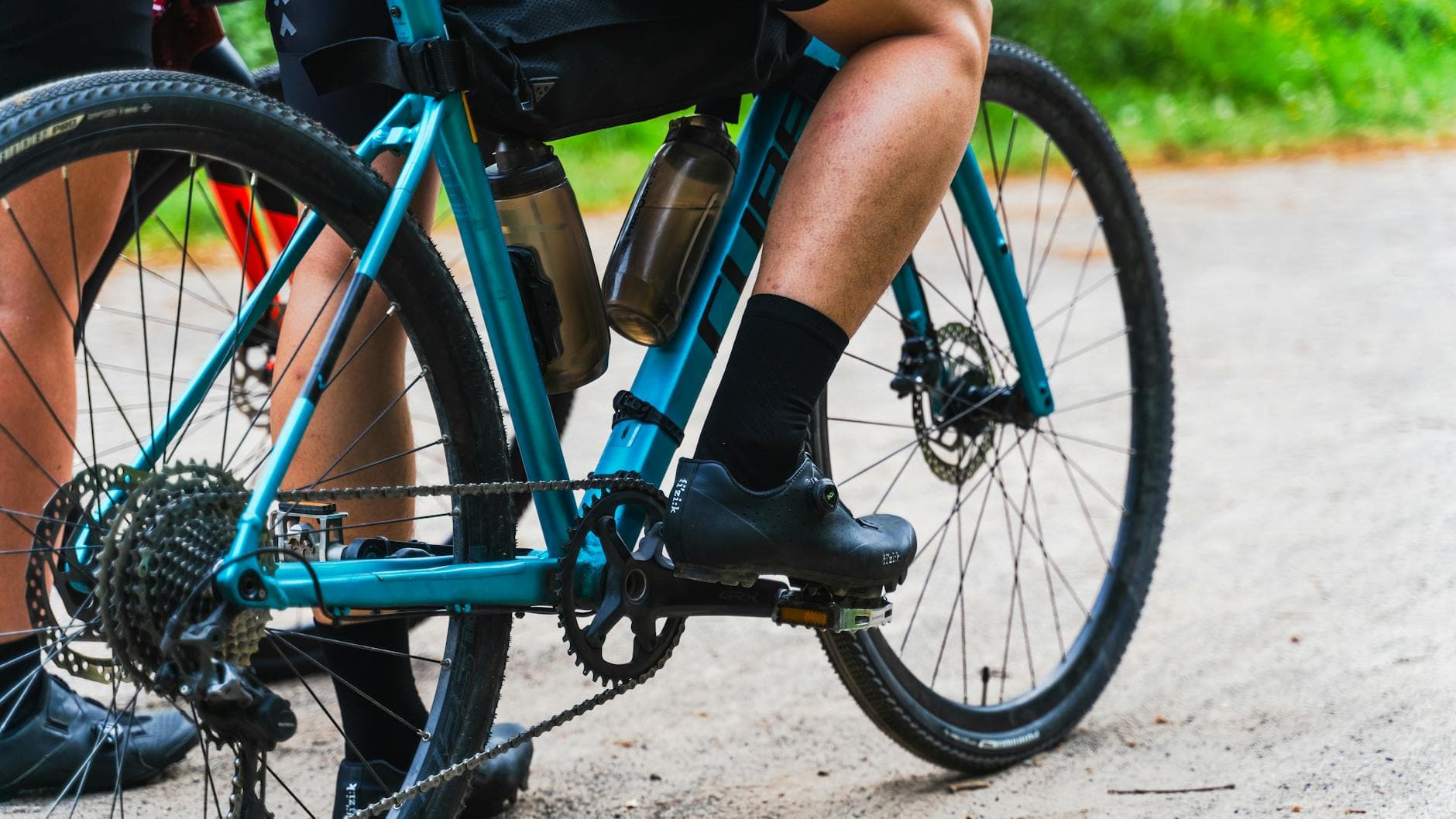
Governor Tony Evers rolled into the Village of Athens on two wheels this week, and it wasn’t just a photo op. The governor pedaled local gravel trails to celebrate something that’s quietly turning into an economic powerhouse for central and northern Wisconsin: gravel biking.
You might’ve noticed more cyclists on backroads lately. Turns out, they’re part of a national trend that’s hitting the Northwoods harder than a spring bass run.
According to Visit Wausau, 58% of all bike sales in 2025 were gravel bikes. That’s not a typo. More than half of people buying bikes right now are choosing fat-tired, drop-bar machines built for unpaved roads.
What makes our neck of the woods special isn’t just the lakes and forests. It’s what’s under our tires.
Central Wisconsin sits on what locals call the Red Granite Belt — and that distinctive rust-colored gravel has become a legitimate tourist draw. Nearly 6,000 people traveled from outside Marathon County specifically to ride these roads last year.
“We actually have stories of people who are moving here to ride on gravel,” said Tim White, Executive Director of Visit Wausau. “They’re buying land because the red granite gravel that we have, especially in the central Wisconsin area, is so pristine for gravel riding.”
Yeah, you read that right. People are relocating to ride bikes on gravel roads.
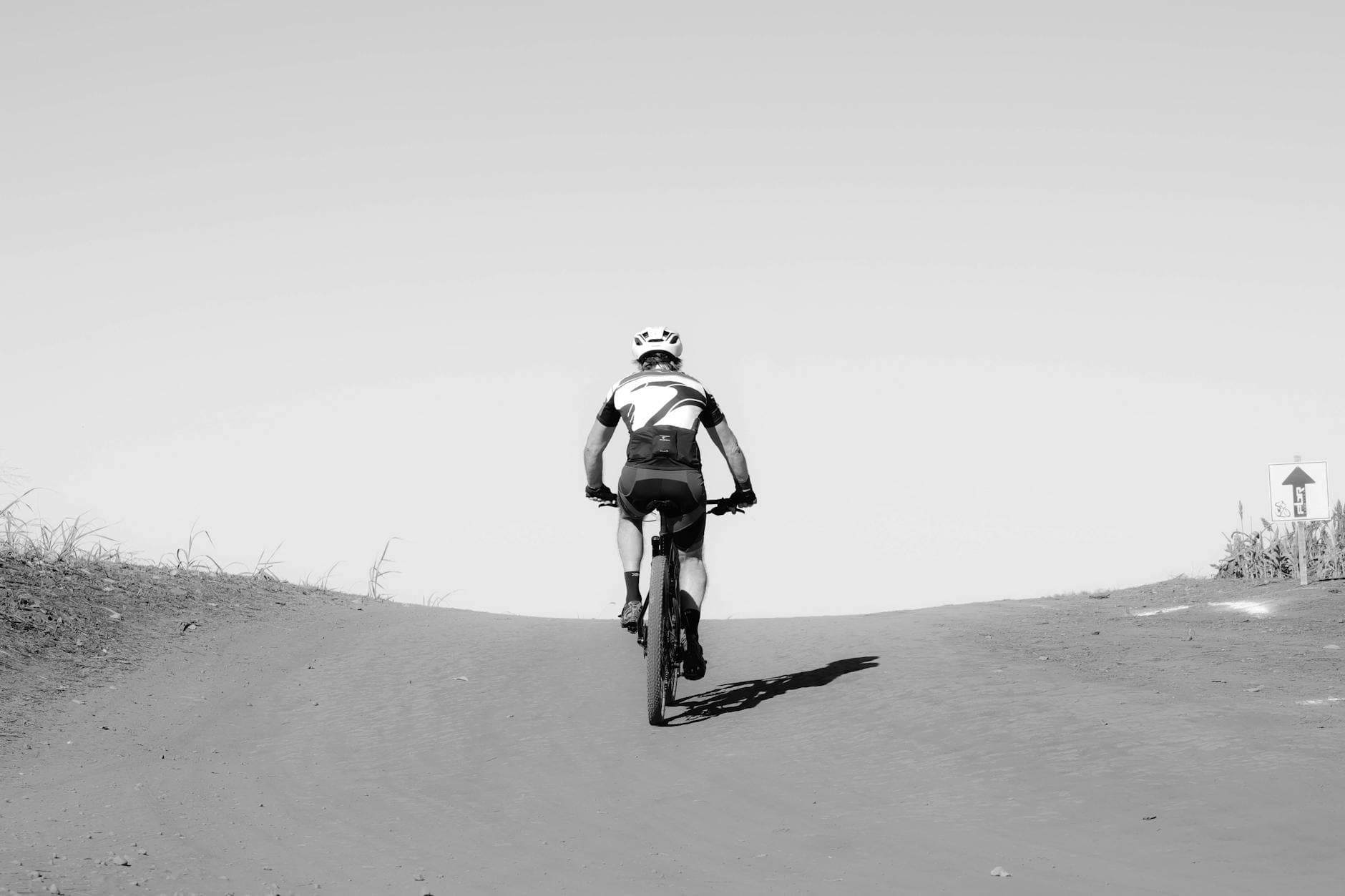
Governor Evers admitted he never thought “biking on gravel would be a thing.” But the numbers tell a different story.
Wisconsin tourism generates $25.8 billion annually, and outdoor recreation is carrying serious weight in that total. The state’s been tracking the economic impact of specific trail systems, and the results are eye-opening:
Those aren’t just numbers on a spreadsheet. That’s money flowing into local businesses, gas stations, restaurants, and hotels across the Northwoods.
“This is huge. It’s such an important part of our state’s tradition. People like to have fun and like to recreate here in the state and we’re getting people out of the state involved, too.” — Governor Tony Evers
Steve Brewster, president of the Athens Area Trail Association, says gravel biking isn’t a major part of their scene yet. But they’re paying attention.
The group plans to develop additional trails and routes to tap into the growing market. Having the governor show up on his own bike to ride local infrastructure? That’s the kind of validation that opens doors for funding and support.
“He’s really bought into the fact that this is going to be a boom to the area,” Brewster said. “So we really wanted to showcase some of the infrastructure that’s going into this building of these routes.”
For Athens — population under 1,100 — attracting even a fraction of those 6,000 annual Red Granite Belt visitors could mean significant revenue for local businesses.
Here’s the beauty of gravel biking for rural communities: the infrastructure already exists.
Unlike mountain biking (which requires purpose-built trails) or road cycling (which needs smooth pavement), gravel riding thrives on the vast network of county and forest roads crisscrossing the region. Roads that were built for farming and logging now double as recreational corridors.
The environmental footprint is minimal. No new construction needed — just maintenance of existing roads and thoughtful route planning. The red granite surface provides natural drainage and a forgiving ride quality that paved roads can’t match.
Plus, gravel routes take riders through landscapes that highway traffic never sees: past hidden lakes, through state forests, alongside working farms, and into the kind of quiet corners that make the Northwoods special.
Wisconsin just notched three consecutive record-breaking years for tourism. Outdoor recreation is driving much of that growth, and the Northwoods is perfectly positioned to capture more of it.
Communities from Vilas to Marathon counties are recognizing that their backroads — once seen as basic infrastructure — are now economic assets. Smart investments in signage, route maps, and local business coordination can multiply returns.
For residents, it means more visitors discovering what we already know: this region offers something you can’t find in Madison or Milwaukee. Wide-open spaces, clean air, and roads where you’re more likely to encounter a deer than another car.
Governor Evers’ visit to Athens wasn’t just about celebrating National Tourism Week. It was a signal that the state sees rural outdoor recreation as serious economic development policy — with the data to back it up.
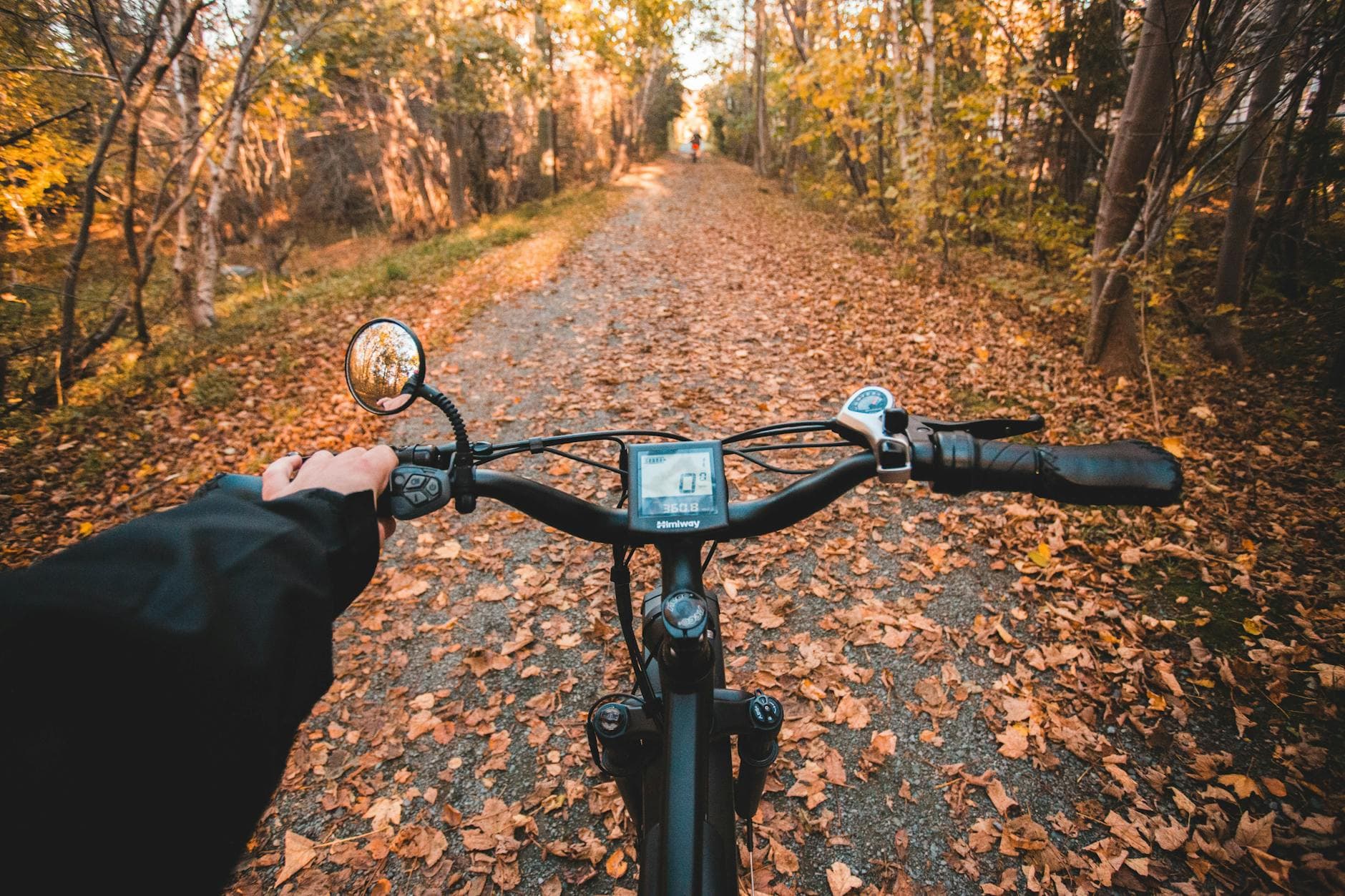
Whether you’re a lifelong cyclist or someone who hasn’t touched a bike since childhood, the gravel boom offers a low-barrier entry point.
Gravel bikes are more forgiving than road bikes and more efficient than mountain bikes. The riding is social and scenic rather than competitive. Most importantly, the terrain is right outside your door.
Local bike shops across the Northwoods have seen the shift. They’re stocking more gravel-specific gear and can point you toward the best routes in your area. Athens, Wausau, Minocqua, Eagle River — they’re all within reach of quality gravel networks.
As more communities develop official routes and marketing, expect to see the Northwoods mentioned alongside Vermont, Colorado, and other national gravel destinations. We’ve got the geology, the scenery, and now the recognition.
Time to explore those backroads a little differently, ya know?
Written by

Mike has been coming up or living in the Northwoods since his childhood. He is also an avid outdoorsman, writer and supper club aficionado.
 News
NewsWild Instincts in Rhinelander is caring for over 100 baby animals this spring. Here’s what to do—and not do—when you find wildlife during yard work.
 News
NewsMarathon City’s new $4.2M sports complex opened after six years of community fundraising, transforming farmland into ballfields, courts, and a playground that signals the village’s commitment to young families.
 News
NewsBob Krueger brought lunar colonization science to Minocqua Public Library this week, discussing moon resources and NASA’s timeline for permanent bases by 2035.
 News
NewsOneida County’s invasive species poster contest drew a record 676 student entries, turning young Northwoods learners into conservation teachers who spread the word about threats to our lakes and forests.