

What is new for Northwoods Drifter in 2026
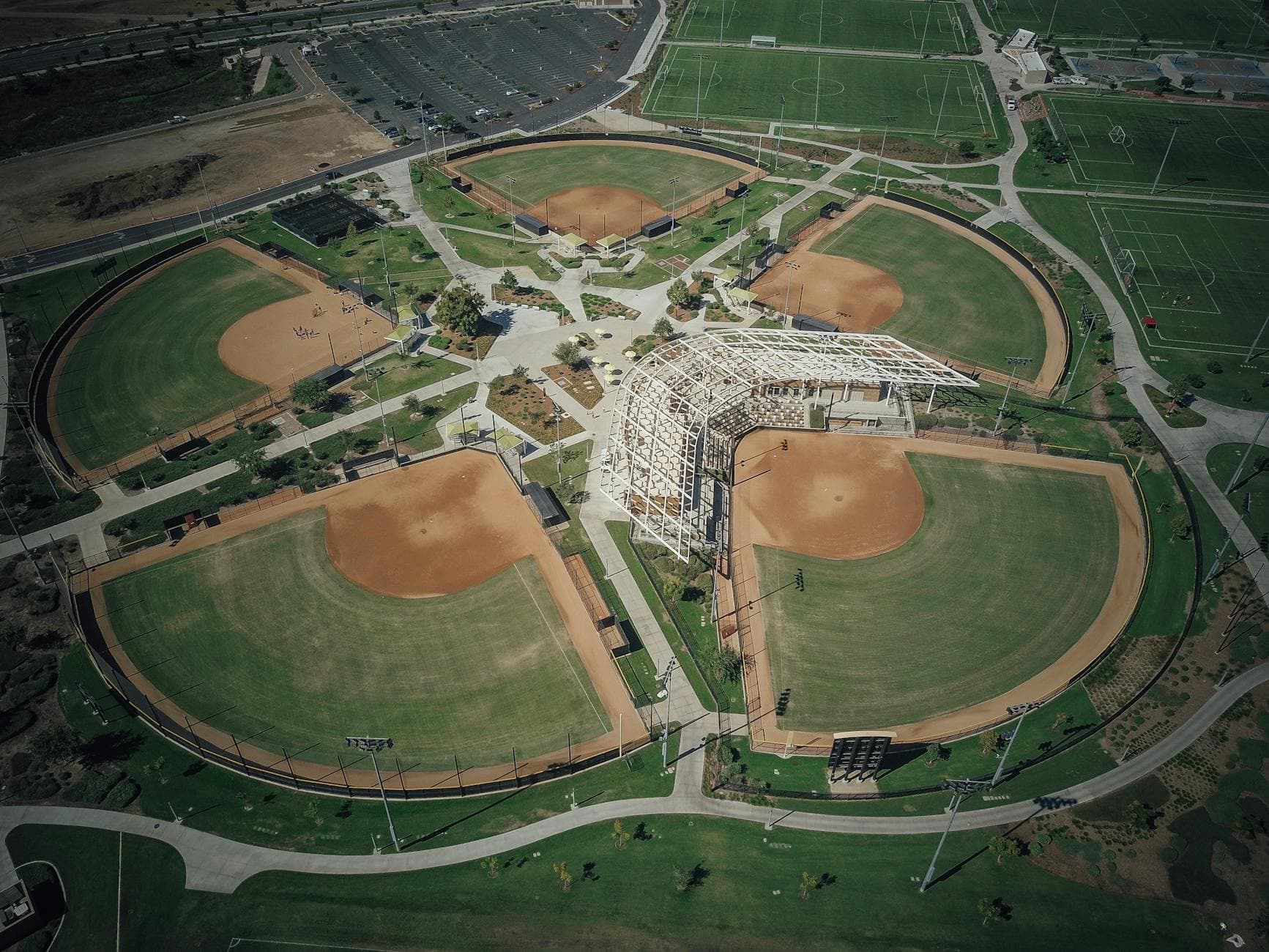
Drive south through Marathon City on County Road NN, and you’ll pass what used to be just another farm field in central Wisconsin. Now it’s something different entirely.
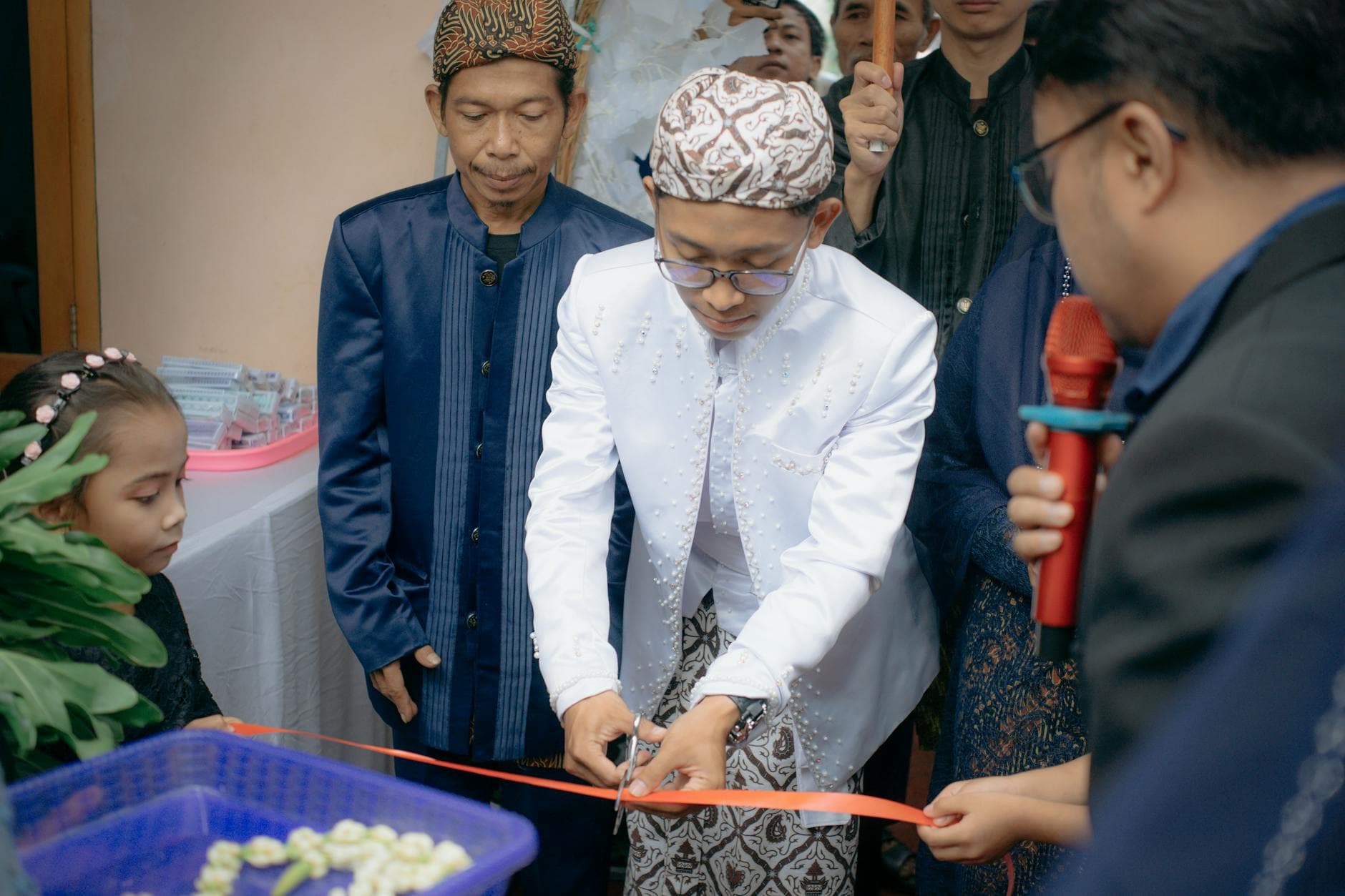
The County Materials Sports Complex opened its gates on May 6th with a ribbon-cutting that drew families, local leaders, and curious neighbors from across Marathon County. Seven years in the making, this $4.2 million facility represents something rare these days: a major public project built almost entirely on donations and community support, not taxpayer debt.
“It started with some talk ‘We need some ballfields,’ and it just grew from there,” says Village Administrator Steven Cherek. What grew was a vision that now includes three softball and baseball fields, two basketball courts, two pickleball courts, a playground, and a concession stand with press box.
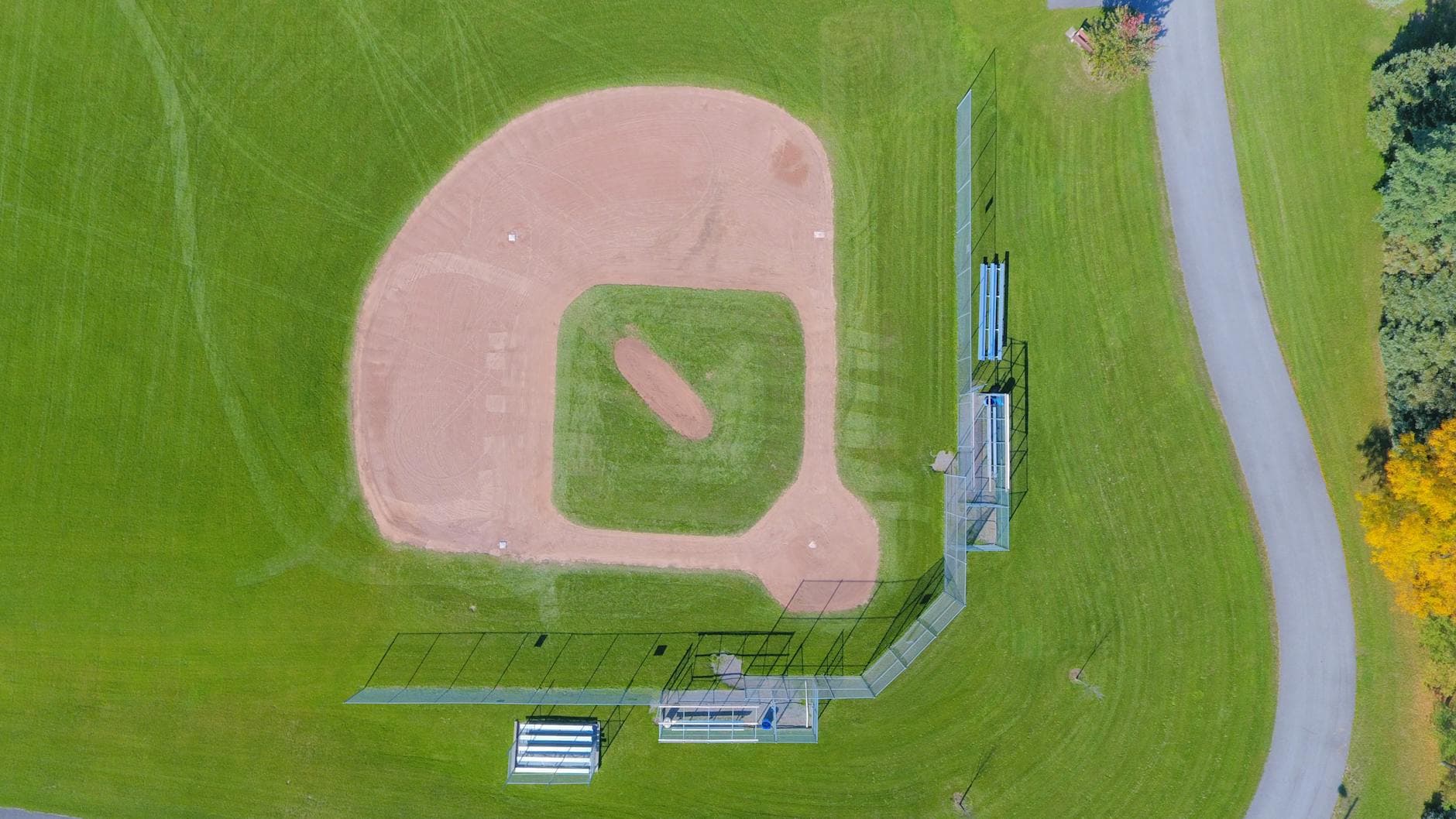
The idea took root in 2019 when Marathon City faced a sports field shortage. When Marathon Cheese expanded — a good problem for the local economy — available ball fields dropped to just two.
Local industries and the Marathon Business Association stepped up. Then COVID hit in 2020, bringing supply chain chaos and construction delays. Inflation drove projected costs from initial estimates toward $5 million.
But Marathon City kept fundraising. County Materials, a regional sand and gravel supplier, became the namesake sponsor. Other manufacturers and agriculture businesses followed. Neighbors donated what they could.
“That’s one of the wonderful things about Marathon, is when they decide a project is important, the community gets behind it. People get behind it from a lot of different areas and put it together.” — Marty Robbins, Marathon Business Association
By opening day, they’d done it without straining the village budget or leaving taxpayers holding bonds for decades.
The facility at 304 County Road NN sprawls across what used to be flat, plowed farmland. Now it’s a multi-generational recreation hub serving athletes from T-ball age through high school and beyond.
Here’s what the complex includes:
The grand opening featured fire trucks from the Village Fire Department and police equipment displays for kids. A food truck served lunch while families explored the grounds under clear May skies.
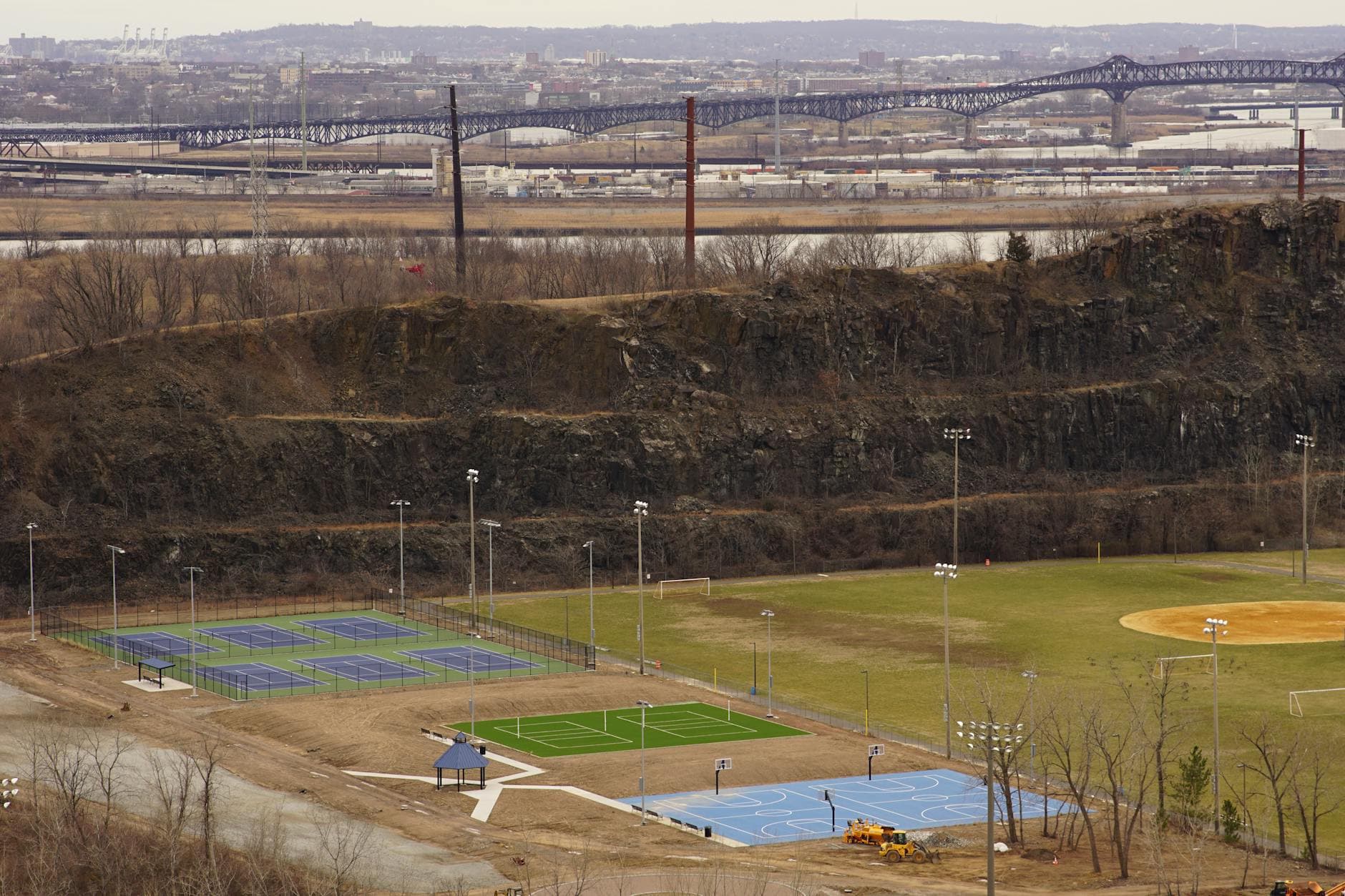
Marathon City sits in that interesting zone where the Northwoods meets central Wisconsin farmland. Population hovers around 1,500. The economy runs on manufacturing, agriculture, and the cheese plant that’s been here for generations.
Places this size face a challenge. Young families want amenities — parks, sports leagues, safe places for kids to play. Without them, those families move to Wausau or Stevens Point where the facilities already exist.
Robbins sees the sports complex as a retention and recruitment tool. “It just shows you they’re committed to being here,” he says of the business leaders who funded the project. “Some very amazing leaders of local businesses who make this their home and reinvesting in our community.”
Cherek puts it more simply: “I just think it’s extremely important for this community as we grow and as we just get to enjoy the outdoor life.”
That outdoor life matters up here. Even in a village known more for industry than tourism, people want access to fresh air, youth sports, and recreation that doesn’t require a 20-minute drive.
What makes Marathon City’s accomplishment notable isn’t just the facility itself. It’s the 100% donor-funded model in an era when most municipalities finance projects through bonds, grants, or tax levies.
No state grants. No federal infrastructure dollars. No property tax increase. Just local businesses, residents, and community organizations deciding this mattered enough to write checks.
That approach takes longer — seven years from concept to ribbon-cutting proves that. But it also means Marathon City owns this complex outright, with no debt service eating into future budgets.
“I mean, I just feel personally like this is a great accomplishment.” — Steven Cherek, Village Administrator
Other small Northwoods communities facing similar recreation needs are paying attention. The Marathon model shows what’s possible when a town of 1,500 people decides to think bigger than its population might suggest.
The softball fields are already hosting games. Basketball courts see pickup games most evenings when weather cooperates. Pickleball players — a mix of retirees and younger families — have claimed morning and afternoon slots.
Future possibilities include hosting regional youth tournaments, which could bring visitor spending to Marathon City’s small business district. The concession stand and parking infrastructure can handle larger events.
For now, though, the complex serves its primary purpose: giving local kids a place to play ball, families a destination for Sunday afternoon, and the community a visible reminder of what collective effort can build.
The transformation from farm field to sports facility took years of persistence through pandemic disruptions and inflation. But on opening day, with fire trucks gleaming and kids racing toward the playground, the wait seemed worth it.
Sometimes the best investments a community can make are the ones where you can actually see your neighbors enjoying the results.
Written by

Mike has been coming up or living in the Northwoods since his childhood. He is also an avid outdoorsman, writer and supper club aficionado.
 News
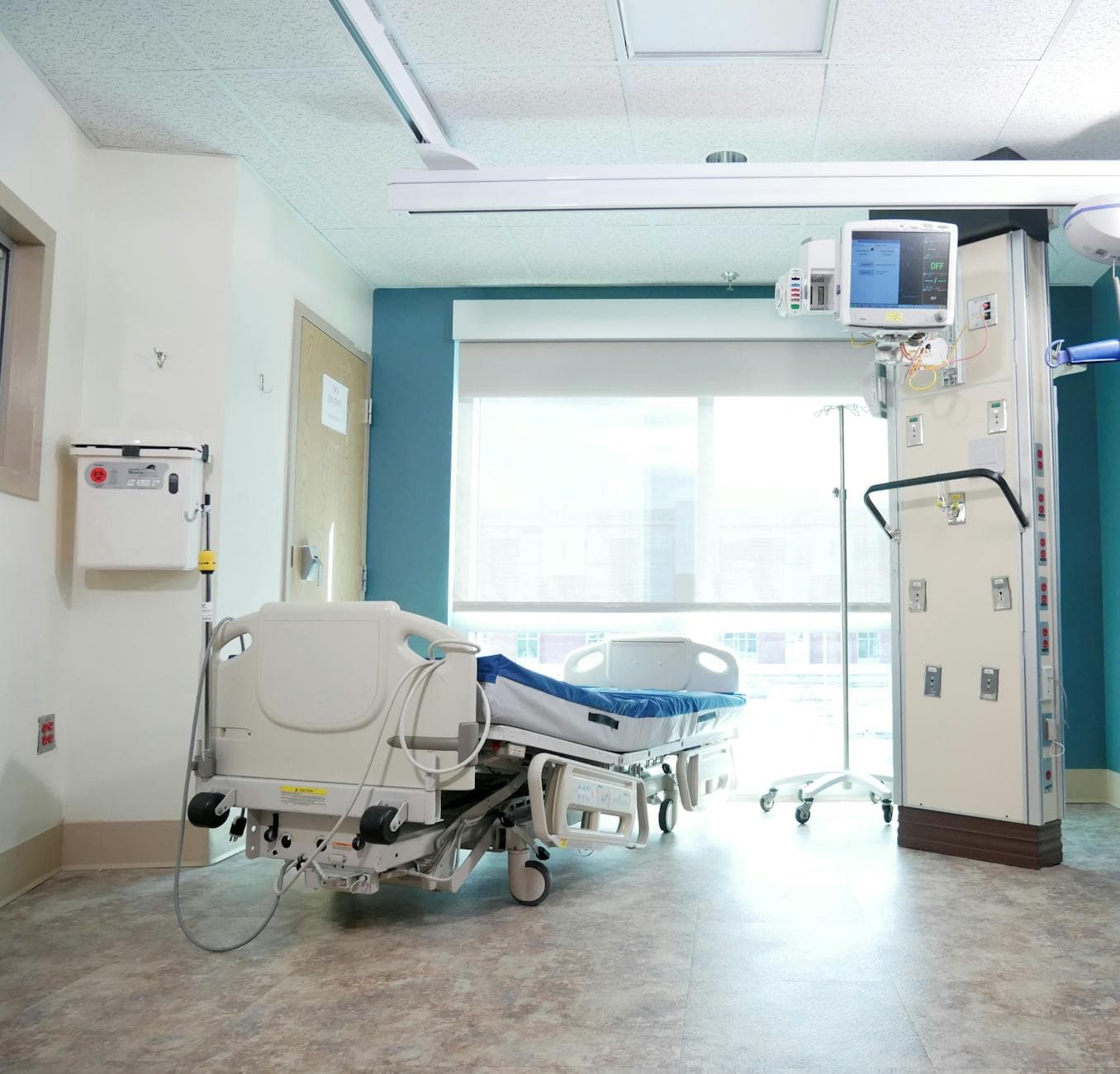
NewsAspirus Wausau Hospital breaks ground on a $227 million expansion adding 48 beds, enhanced cardiac care, and advanced cancer treatment — the largest healthcare investment in Northwoods history.
 News
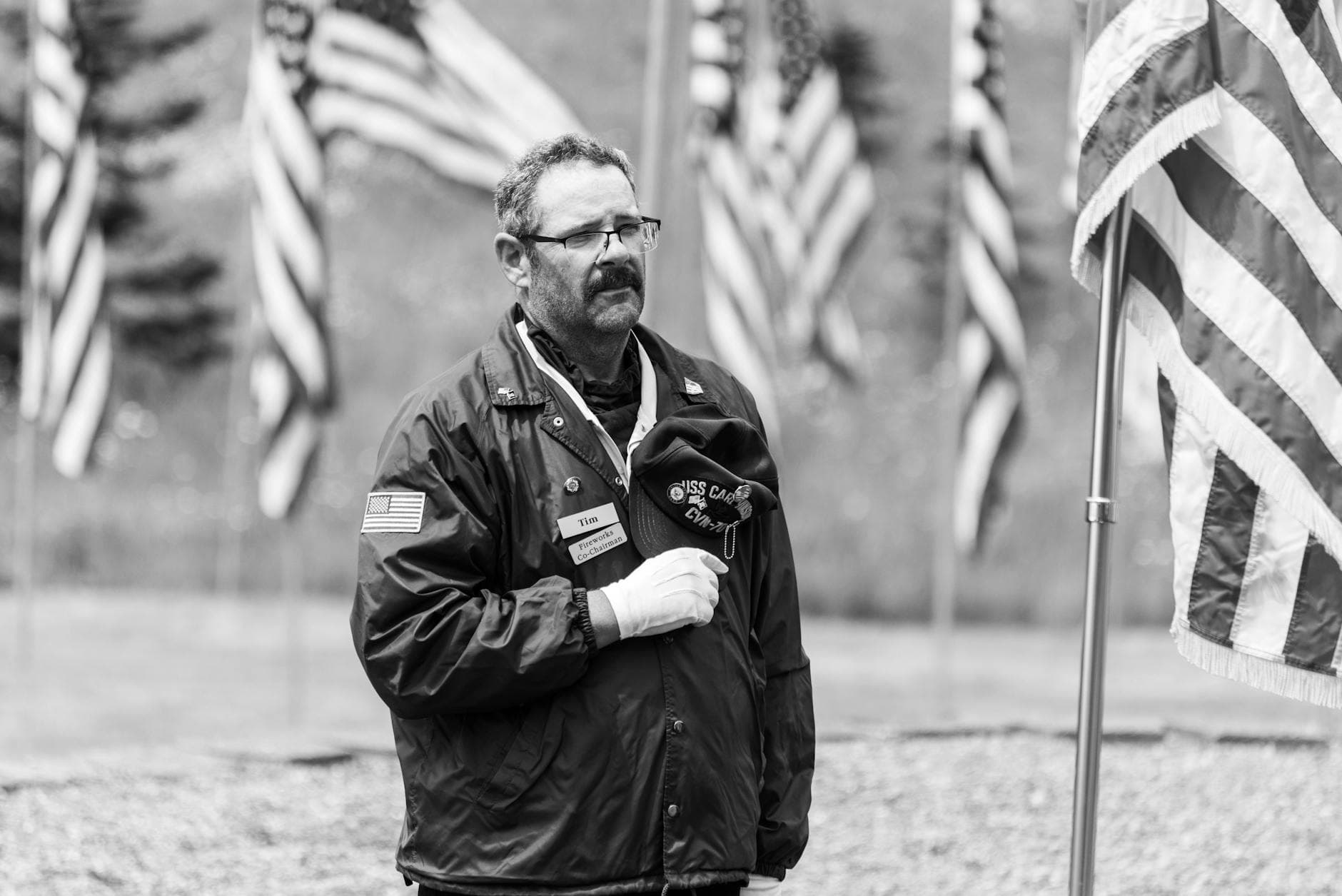
NewsWhen Tomahawk’s Todd Nicklaus honored his late father at the Lincoln Memorial, he completed an Honor Flight journey that never was — and reminded the Northwoods why these missions matter.
 News
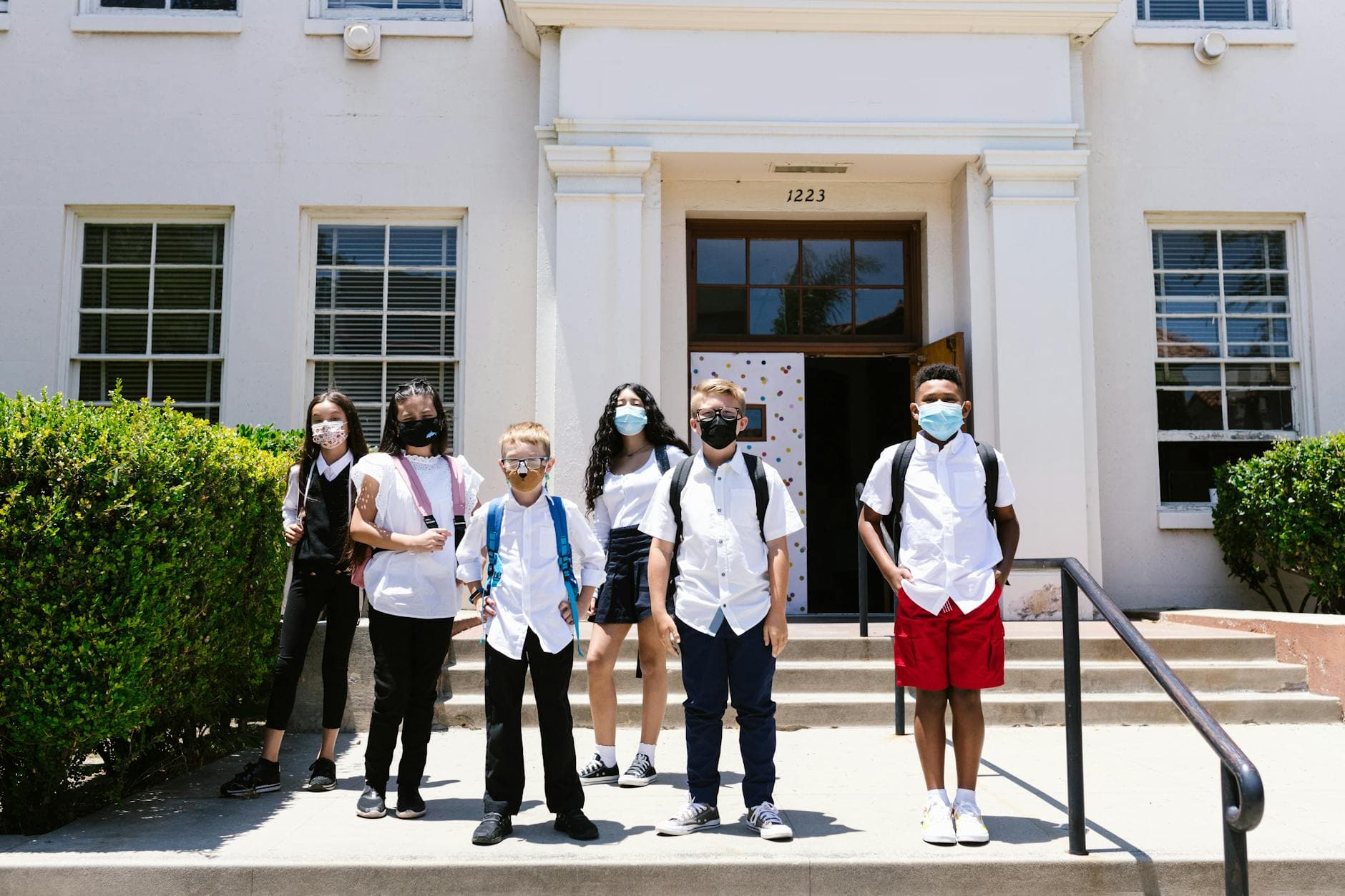
NewsAfter a late April tornado damaged Riverside Elementary in Ringle, this Northwoods community rallied to reopen school in just eight days — a story of quick repairs, neighbor helping neighbor, and 460 students back where they belong.
 News
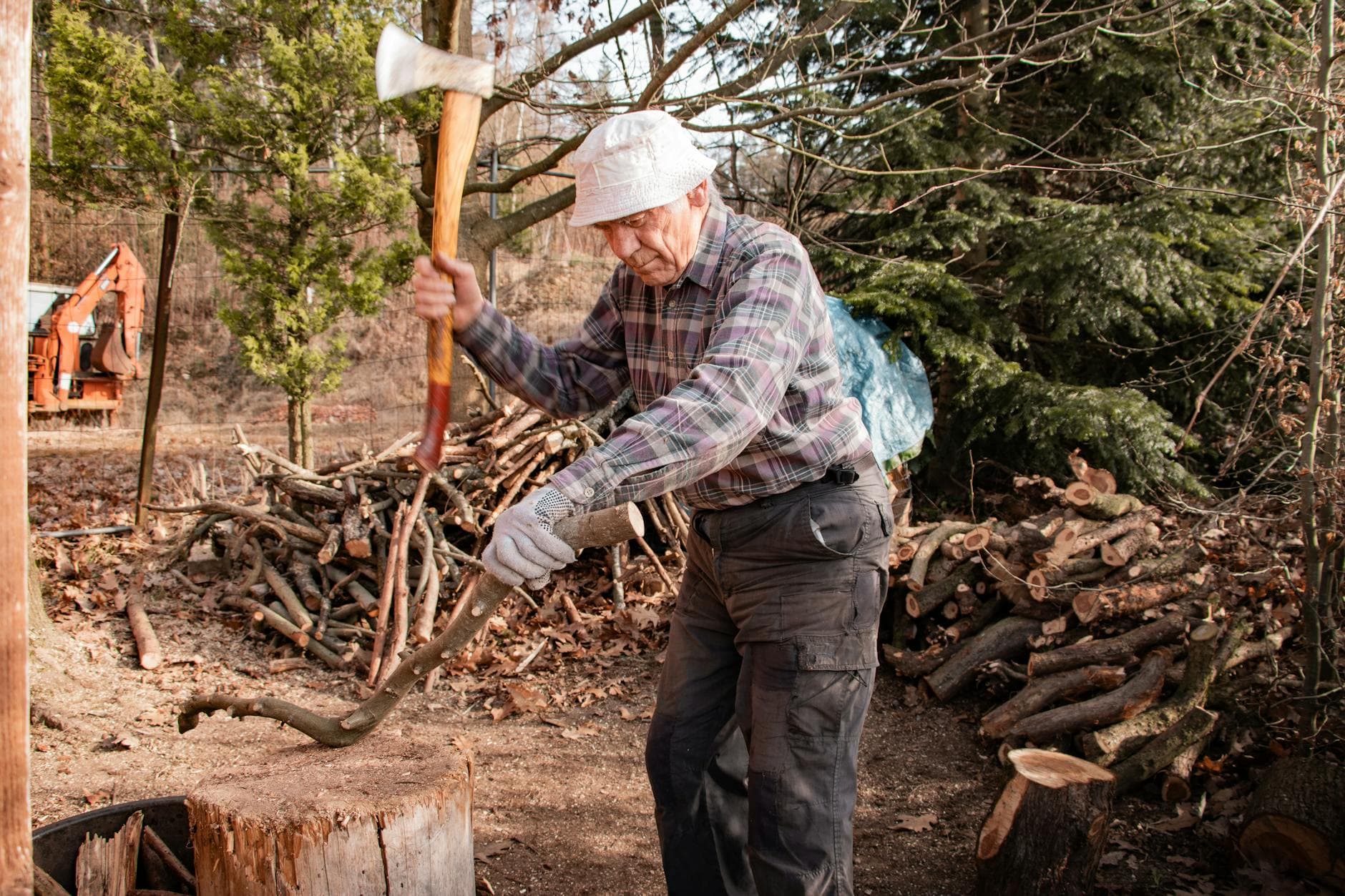
NewsAt 93 and legally blind, Rhinelander’s Larry Rappley still runs his tractor, splits firewood, and donates proceeds to homeless veterans — embodying the Northwoods spirit of resilience and community service.