

What is new for Northwoods Drifter in 2026
At 100 years old, Donald Sleeter has lived through more history than most of us will ever read about. But on a recent trip to Washington D.C., the Marshfield native came face-to-face with a monument that brought him back to the hardest days of his youth — days he rarely talks about, even now.
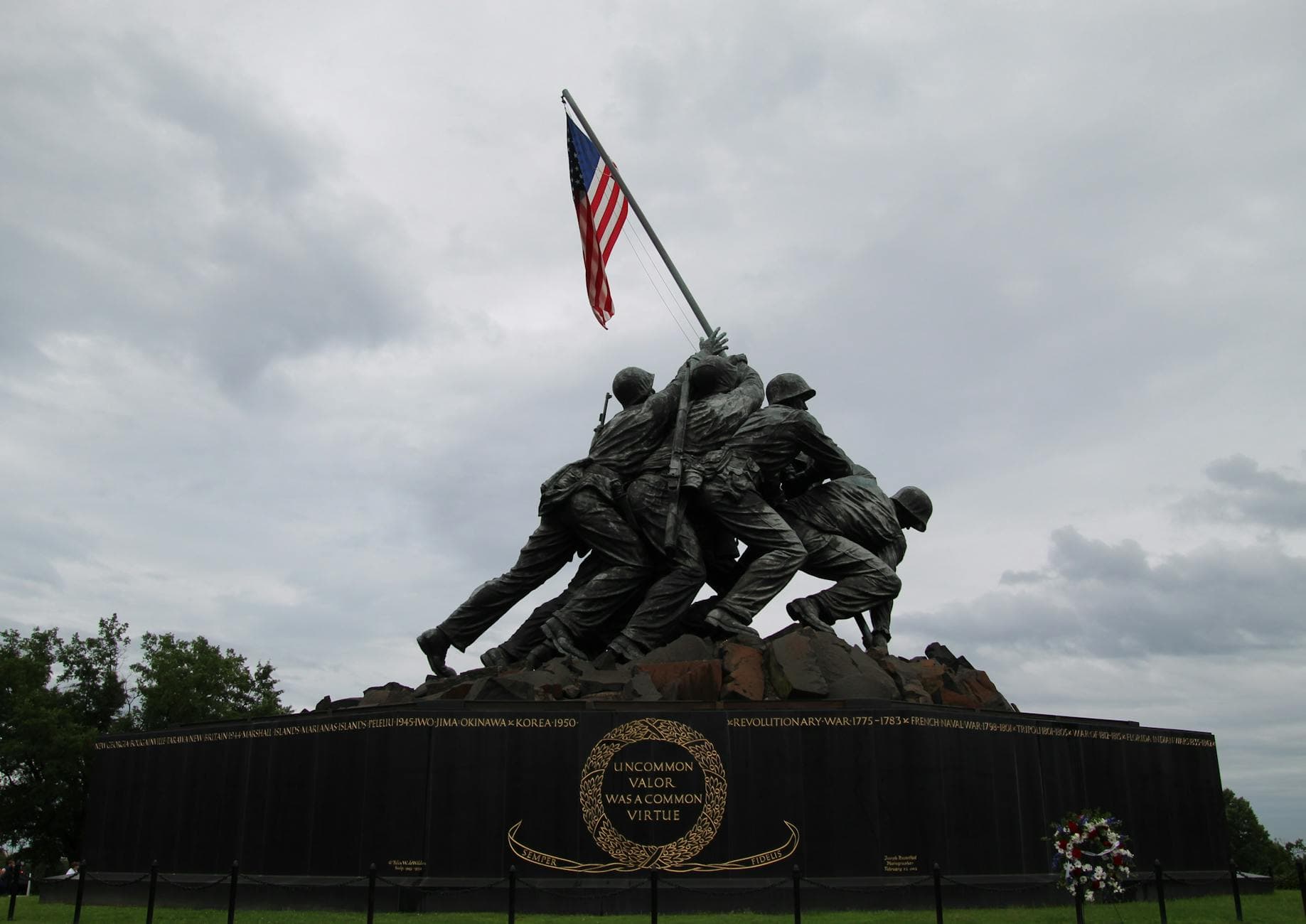
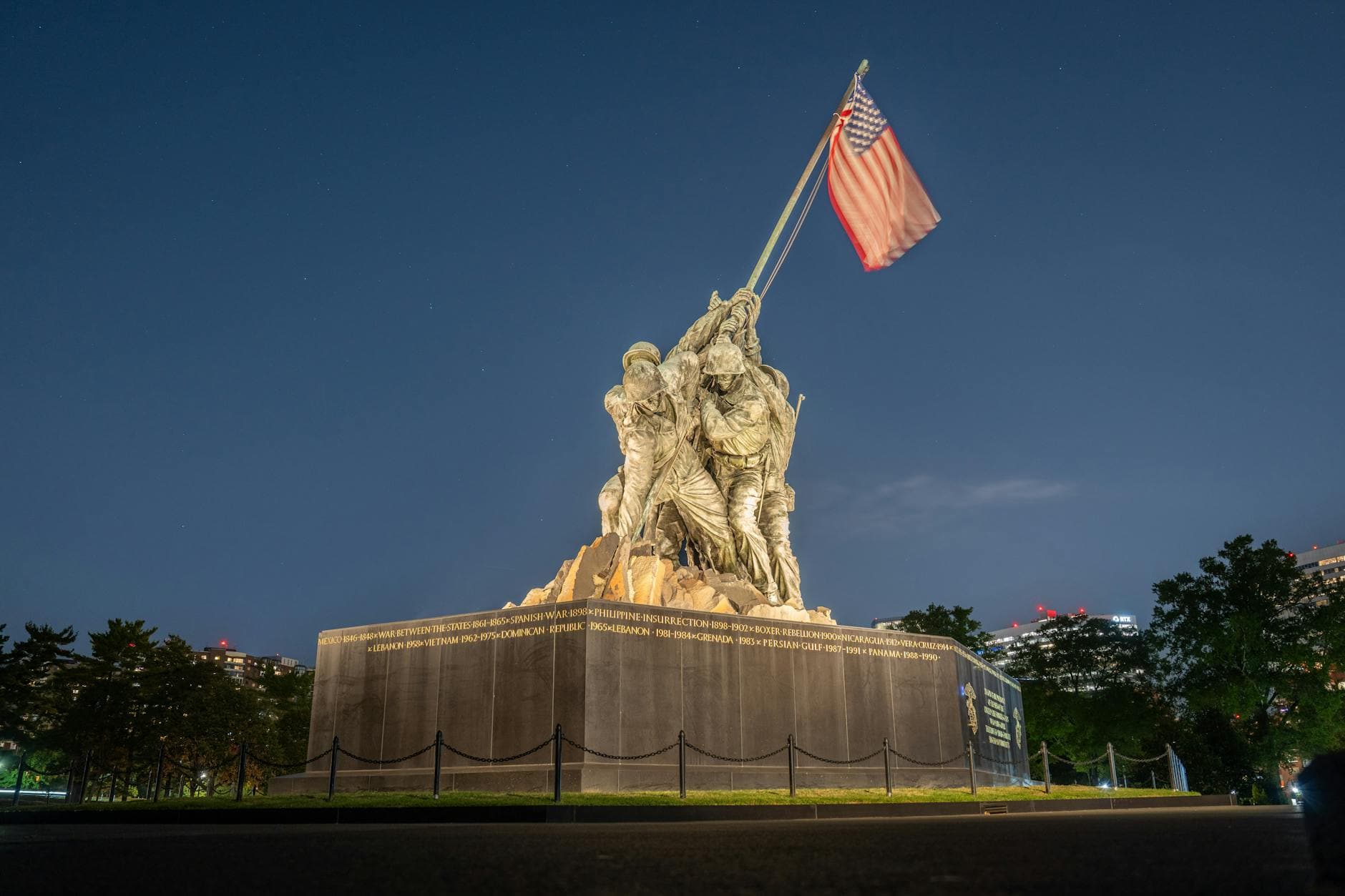
Sleeter traveled with the 55th Never Forgotten Honor Flight, the only World War II veteran among a group of mostly Korean and Vietnam War vets. His destination: the Marine Corps War Memorial, the towering bronze tribute to the flag-raising on Iwo Jima. The same battle where Sleeter fought as a 17-year-old Marine.
For the first time in his century of life, he saw the memorial in person. The statue loomed above him — six Marines frozen in their desperate push to plant the American flag on Mount Suribachi. Sleeter was wheeled toward it in silence, surrounded by veterans decades younger who understood what words couldn’t capture.
Donald Sleeter enlisted in the Marine Corps in 1943, barely old enough to vote but convinced he knew exactly what needed doing. “I was 17 and I thought I knew all the answers, you know?” he said during the flight.
He wasn’t alone. Four other boys from his Marshfield high school signed up with him. Their mission felt crystal clear at the time: “We wanted to help clean up the Japanese,” Sleeter recalled. “So we all went in together.”
That confidence didn’t last long. War has a way of stripping away certainty, replacing teenage bravado with something harder to carry. Of those five friends who walked into the recruiter’s office together, Sleeter is the only one whose fate he knows for certain.
“The other four boys that joined me at the same time, I never heard about them,” he said quietly. “I don’t know if they ever got home or if they ever got killed.”
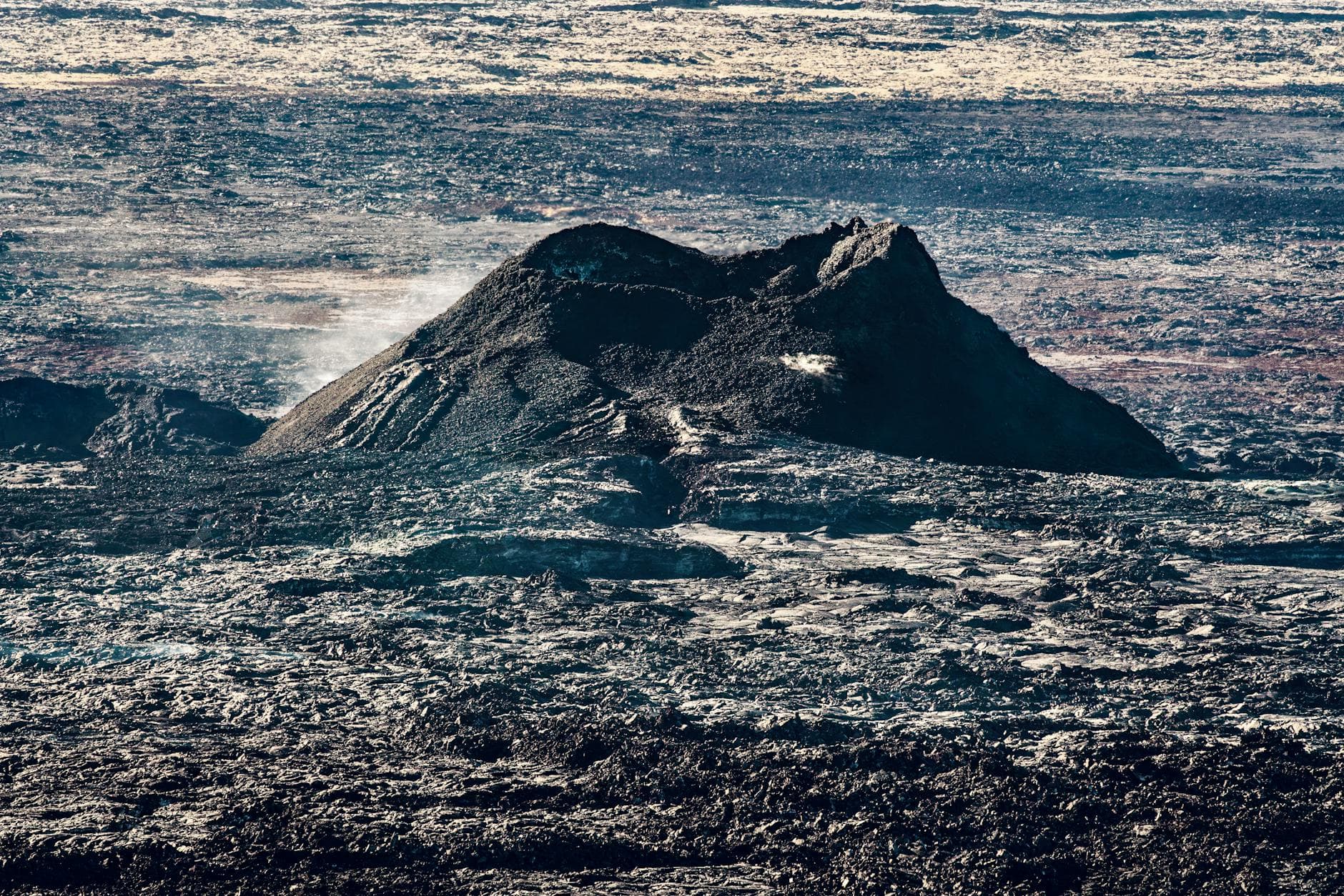
After serving on Guam, Sleeter shipped out to Iwo Jima in early 1945 with the 3rd Marine Division. The volcanic island, barely eight square miles, became one of the bloodiest battlefields of the Pacific Theater.
While the 4th and 5th divisions fought their way up Mount Suribachi — where that famous flag would be raised — Sleeter’s unit had a different mission. They worked the ground below, securing a Japanese airfield so American planes could use it for emergency landings and refueling.
“We were working the ground below, around the volcano to take over the airfield they had there, so that our planes could land there for fuel or emergencies. That’s what it was all about.”
The fighting was brutal. More than 26,000 Americans were wounded or killed on Iwo Jima. Sleeter himself was wounded in 1945 and later discharged in 1946, earning a Purple Heart for his service.
Even 80 years later, some memories stay locked away. “I thought I made a mistake about joining,” Sleeter admitted. “They’re something I don’t like to talk too much about. It’s about taking someone’s life and saving my own. Those kinds of things that you don’t like to talk about.”
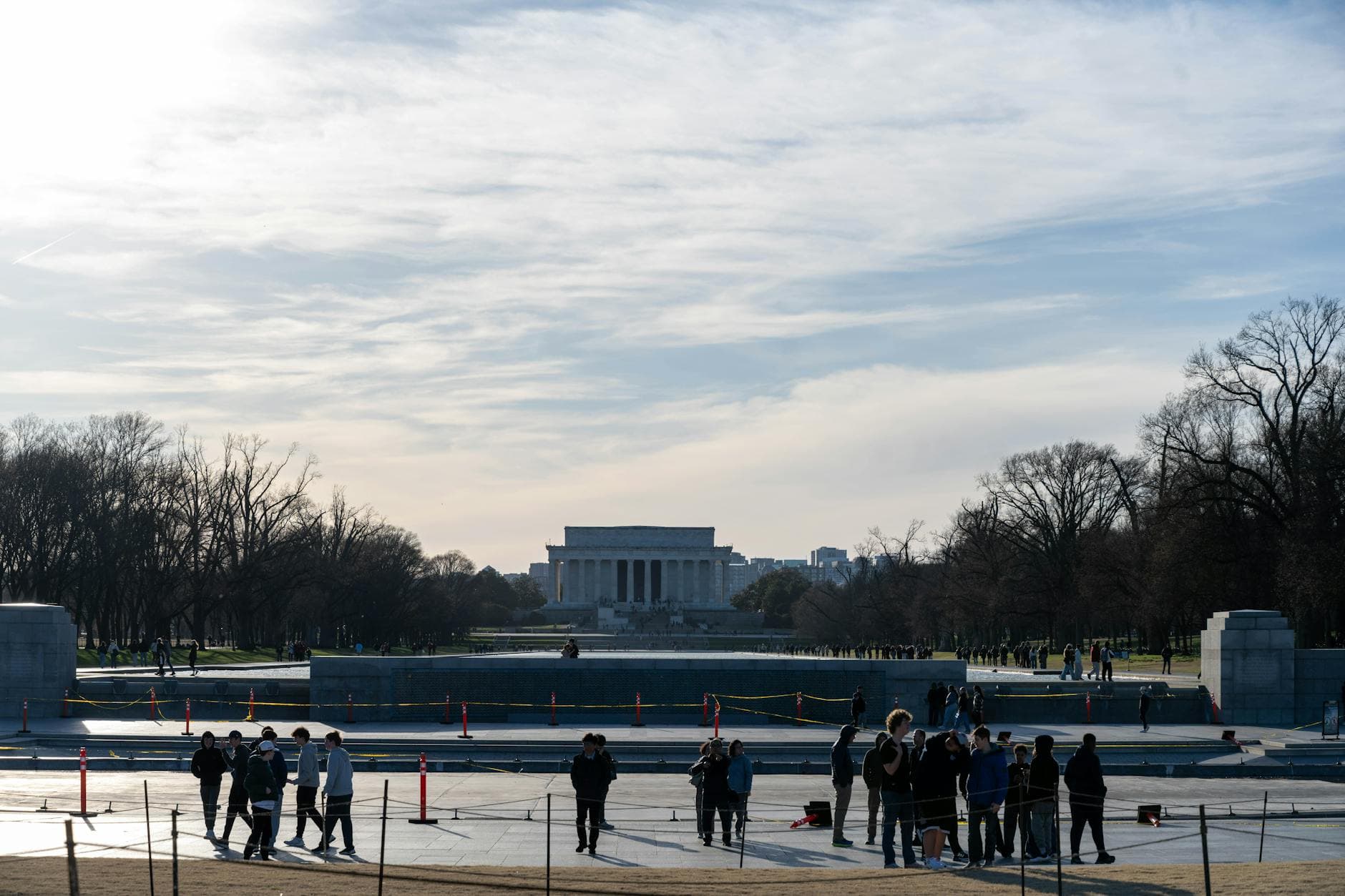
The Never Forgotten Honor Flight operates out of northeast Wisconsin, part of a national network that’s flown more than 250,000 veterans to D.C. since 2005. The trips are completely free for veterans, funded by donations and sponsors from across the region.
For Northwoods communities like Marshfield, Rhinelander, and Wausau, these flights do more than move bodies across state lines. They connect generations of service members and remind younger folks what their neighbors lived through.
Here’s what makes Honor Flights special for Wisconsin veterans:
Sleeter’s trip marked the 55th mission for Never Forgotten Honor Flight. With fewer than 70,000 WWII veterans still alive nationwide, he represents a generation that’s disappearing fast. Most are over 100 now. Every flight that includes a WWII vet feels like borrowed time.
Sleeter spent his day in D.C. surrounded by men who’d served in different wars, different decades, different conflicts entirely. But something connected them anyway — something deeper than the details.
“I have never seen so many nice, nice people,” Sleeter said. “These veterans, they’ve all got a story to tell. You can try to understand them well without them saying too much. I know what things they were doing, too. It’s the kind of camaraderie without having to explain everything.”
That unspoken bond is part of what makes Honor Flights so powerful. Veterans who might never talk about their service with family suddenly find themselves among people who just get it. No explanations necessary. No judgment for the stories that won’t come out.
After serving in the Marine Corps and later spending decades in law enforcement back home, Sleeter knows that kind of connection is rare. “I’m glad it’s over with,” he said of the war. “I’m proud of my service and I’m proud of the Marine Corps.”
Standing before the Marine Corps War Memorial — or sitting in his wheelchair, more accurately — Sleeter finally saw the monument to the battle that changed his life. The statue captures the exact moment the flag went up on Suribachi, though Sleeter and his unit were fighting for that airfield below while it happened.
He left D.C. with a simple message for other veterans: “It’s wonderful. Everybody should do it.”
As WWII veterans become increasingly rare in the Northwoods and across the country, trips like Sleeter’s carry extra weight. These aren’t just tourist excursions. They’re final chances to honor men and women who defined what service means, who carry memories most of us can barely imagine.
If you know a veteran — from any era — who might benefit from an Honor Flight, applications are open year-round. Priority goes to WWII and Korean War vets, followed by Vietnam-era and terminally ill veterans from any conflict.
Donald Sleeter waited 100 years to visit that memorial. Some stories take time to come full circle. And some stories, even when they’re finally told, hold pieces that will always stay private — known only to the men who were there when it mattered most.
Written by

Mike has been coming up or living in the Northwoods since his childhood. He is also an avid outdoorsman, writer and supper club aficionado.
 News
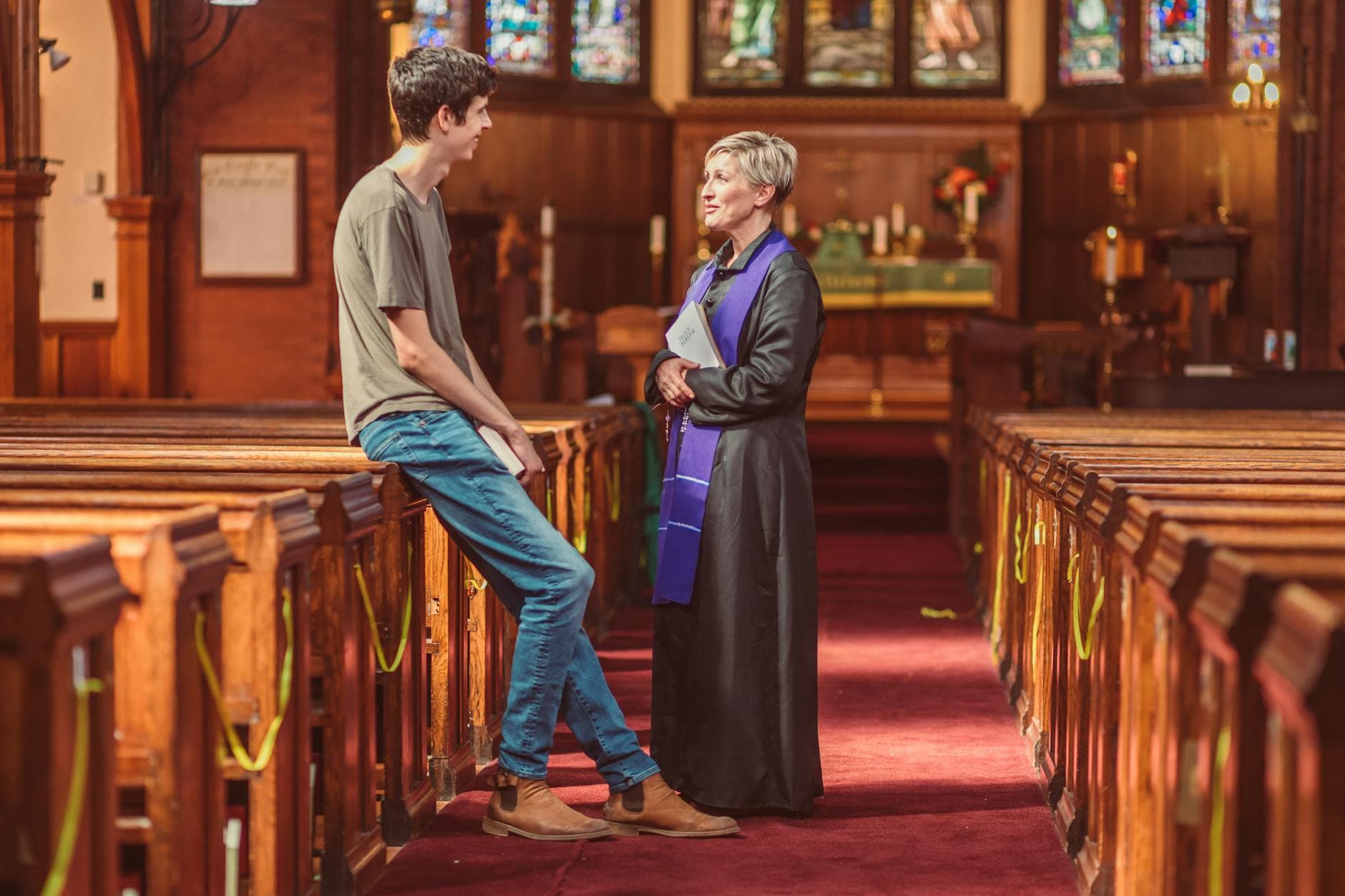
NewsChrist Church in Bayfield has called Rev. Art Hancock as its new vicar, bringing 30+ years of ministry to a congregation that’s served the Chequamegon Bay area since 1856.
 News
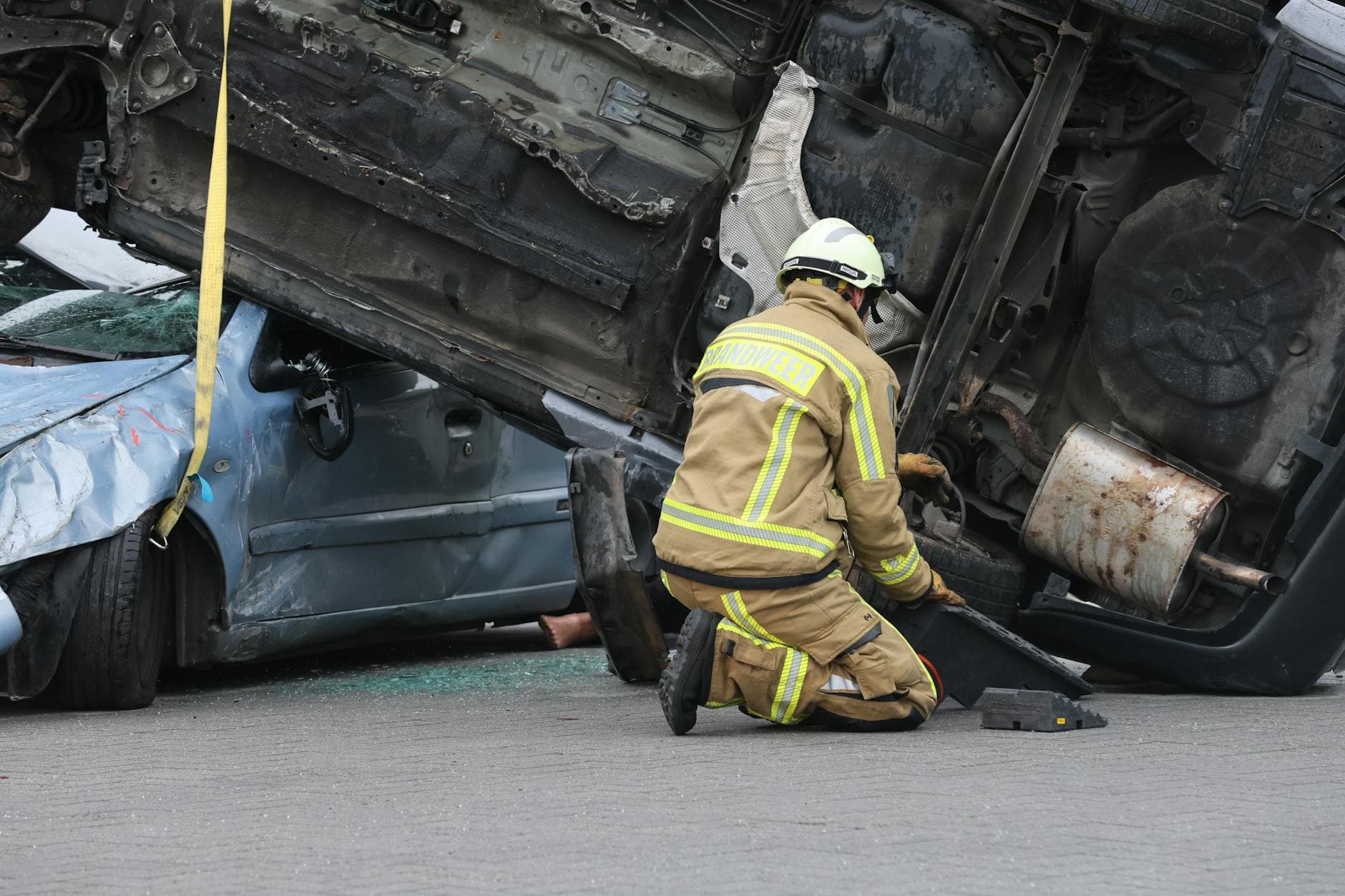
NewsA Sunday crash at Highway 111 and County Road J in Price County killed a 74-year-old Kennan woman and seriously injured three others, including a teen. The investigation continues.
 News
NewsTomahawk’s Ties That Bind Us nonprofit has raised thousands through its annual Cleavage Open golf fundraiser, providing gas cards, food assistance, and practical support for Northwoods cancer patients.
 News
NewsChrist United Methodist Church in Merrill now serves over 200 free lunches daily to kids and teens, part of a volunteer-driven effort that’s fed thousands since 2013.