

What is new for Northwoods Drifter in 2026
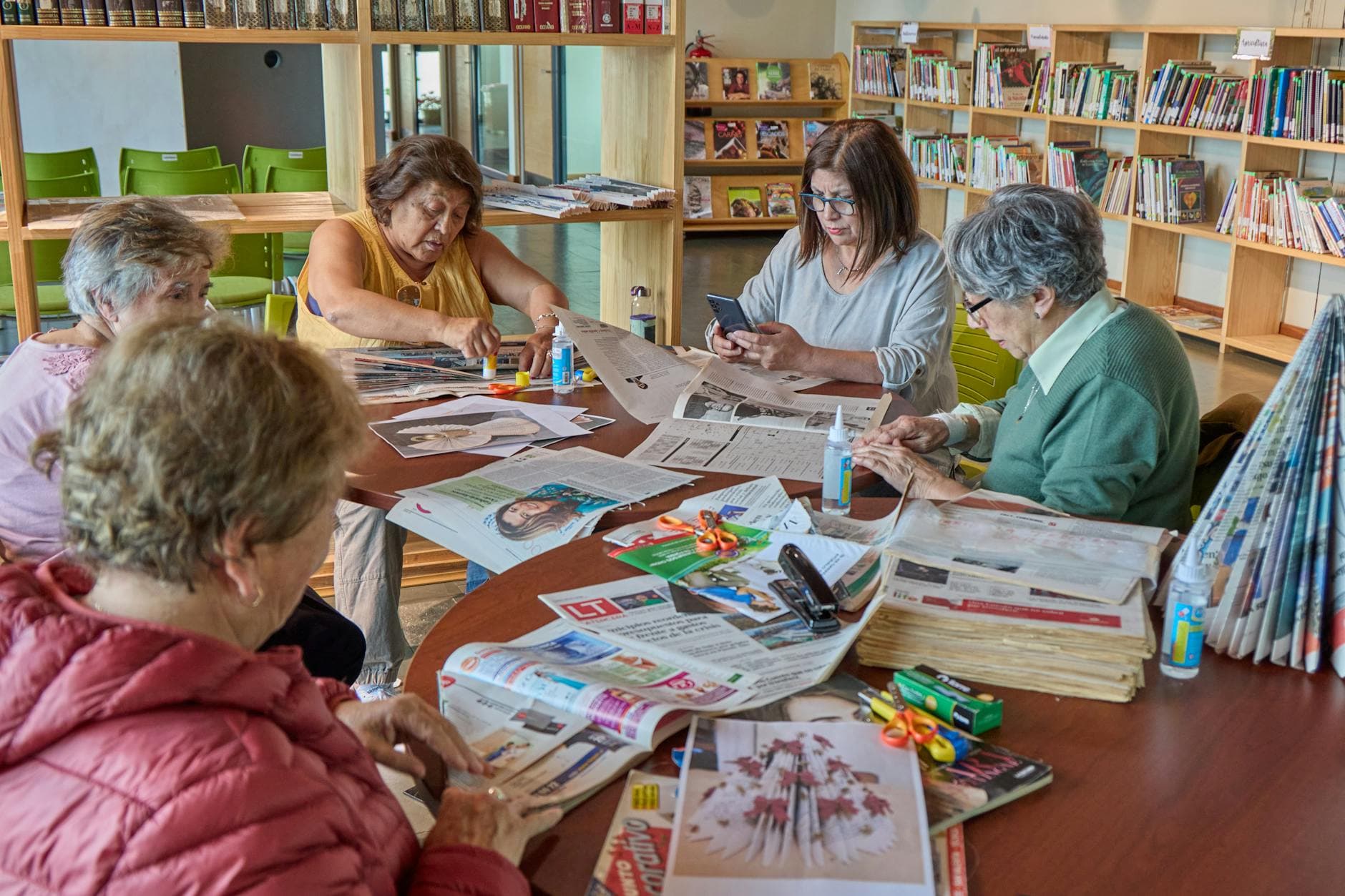
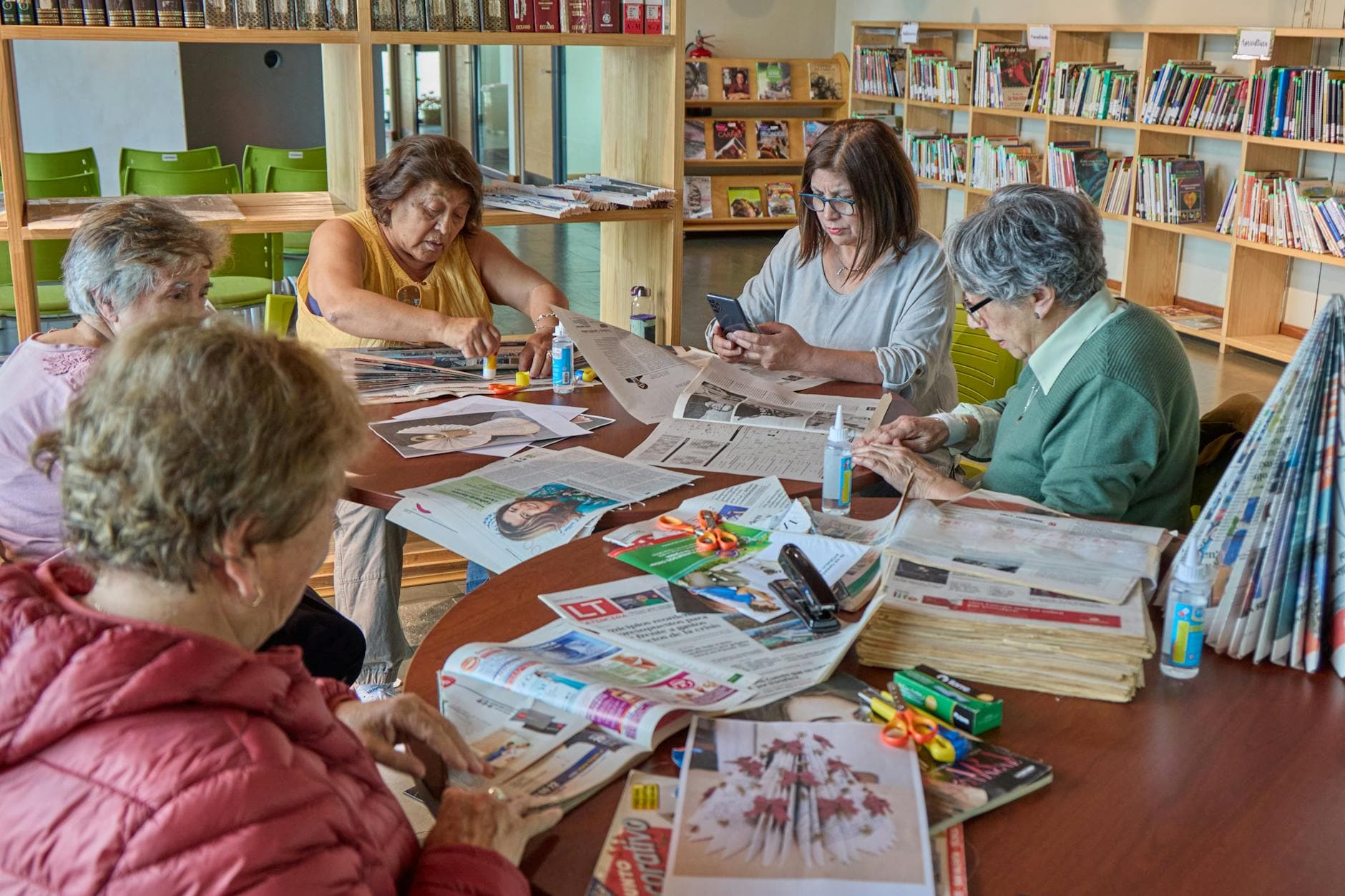
Walk into the Rhinelander District Library on any given Wednesday afternoon and you’ll find something unexpected: a circle of neighbors transforming old books into flower vases, their hands busy with glue and paper while conversations flow freely.
What started as a pandemic experiment has become one of the Northwoods’ best-kept secrets for mental wellness.
The library’s craft classes, now running multiple times monthly, are doing more than teaching folks how to upcycle old junk into home decor. They’re quietly addressing something we don’t talk about enough up here — the isolation and stress that comes with long winters and rural living.
Cathy Oelrich, the library’s Adult Services Manager, has watched this community bloom since COVID shutdowns ended.
“It’s great for your mental health,” she explains, watching attendees work through their book-vase projects. “It gives you a break, gives you an outlet to try something new, to turn off the ‘I have to work, I have to do 27 things today.'”
The numbers back up what Oelrich sees firsthand. Depression rates in the Northwoods run about 25% higher than the state average — a reality of seasonal darkness, geographical isolation, and the challenges of rural life.
These free classes tackle that isolation head-on. Recent sessions have covered everything from canning and wreath-making to soap-making and pressed flower lanterns.
Registration fills up fast — typically 8 to 16 spots per class — and Oelrich loves seeing the mix of familiar faces and newcomers each time.
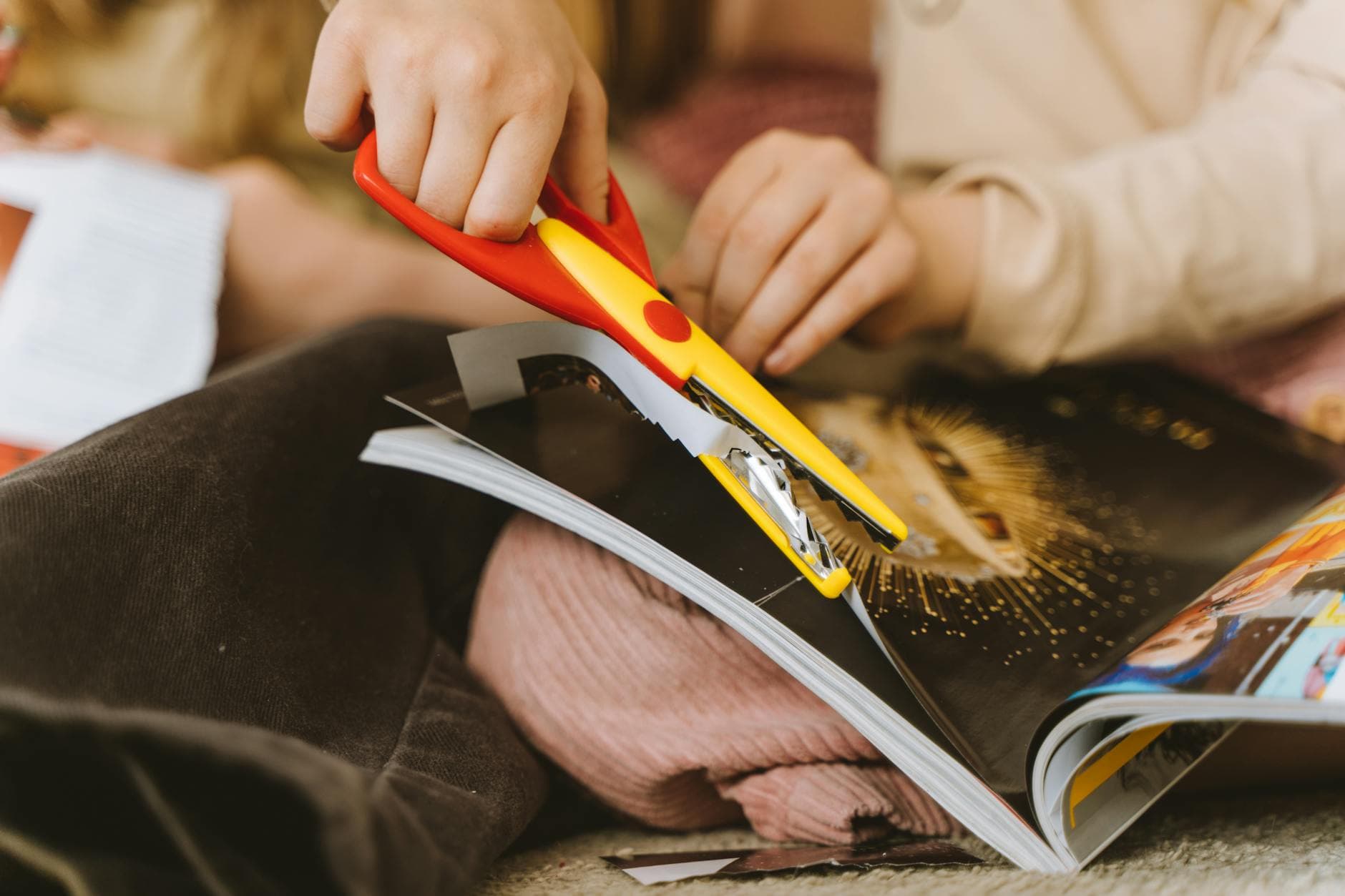
The craft style centers on upcycling — taking things destined for the landfill and giving them new life.
Books that haven’t been checked out in years become decorative vases. Kitchen whisks transform into dragonflies. Old materials turn into something beautiful and useful.
It’s a practice that resonates deeply here, where resourcefulness has always been part of the culture. Our logging-era ancestors made do with what they had, repurposing timber scraps and making everything last through harsh winters.
“It takes my mind off of problems. I can just focus and stay in the moment and enjoy getting to know other people and not isolating myself.” — Renee DeGarmo, class attendee
DeGarmo, who manages PTSD and a mobility disorder, has become a regular at these sessions. The focused, hands-on work provides relief that medication alone can’t match.
The library keeps the calendar packed with creative opportunities. Here’s what’s on deck:
Most classes are completely free. All require advance registration through the library’s website, and spots disappear quickly once the calendar opens.
The variety keeps things fresh. You might spend one month learning pressed flower techniques, the next figuring out how to turn soap-making into a regular hobby.
Beyond the mental health benefits, these gatherings serve another crucial purpose: they create genuine social connections in a region where isolation can feel overwhelming.
The Northwoods sees heavy seasonal tourism, but year-round residents often struggle with limited social opportunities, especially during the long stretches between snowmelt and leaf season.
Library foot traffic has jumped 15-20% since these programs took off. People come for the crafts and stay for the conversation, forming friendships that extend beyond the meeting room.
For many attendees, it’s the only regular social commitment on their calendar that doesn’t involve a bar or church basement.
Oelrich notices the pattern every session: “I love that for every one of these crafts, I see new faces. It’s nice to have people feel that they can be a part of something and try something different with complete strangers.”
The success of RDL’s craft programs hints at something larger — a recognition that rural mental health needs creative solutions beyond traditional clinical settings.
With a median household income around $52,000 in Rhinelander (well below the state’s $68,000), free community programs remove financial barriers to wellness activities.
The upcycling focus also addresses environmental concerns. Oneida County generates over 10,000 tons of paper waste annually, and repurposing materials — even just old library books — makes a tangible difference.
These classes prove you don’t need expensive therapy or fancy gym memberships to improve mental health. Sometimes all it takes is a table, some craft supplies, and neighbors willing to create something together.
If you’re feeling the weight of another Northwoods winter fading or just looking for connection, check the library calendar. Registration opens weeks in advance, and those spots fill up for good reason.
Your next favorite hobby — and maybe a few new friends — might be waiting in that meeting room on Oneida Street.
Written by

Mike has been coming up or living in the Northwoods since his childhood. He is also an avid outdoorsman, writer and supper club aficionado.
 News
NewsChrist Church in Bayfield has called Rev. Art Hancock as its new vicar, bringing 30+ years of ministry to a congregation that’s served the Chequamegon Bay area since 1856.
 News
NewsA Sunday crash at Highway 111 and County Road J in Price County killed a 74-year-old Kennan woman and seriously injured three others, including a teen. The investigation continues.
 News
NewsTomahawk’s Ties That Bind Us nonprofit has raised thousands through its annual Cleavage Open golf fundraiser, providing gas cards, food assistance, and practical support for Northwoods cancer patients.
 News
NewsChrist United Methodist Church in Merrill now serves over 200 free lunches daily to kids and teens, part of a volunteer-driven effort that’s fed thousands since 2013.