

What is new for Northwoods Drifter in 2026
A quiet Marathon County community is confronting an invisible threat lurking in its groundwater. The Village of Maine, tucked into the pine-studded countryside northwest of Wausau, has become the latest Northwoods battleground in Wisconsin’s ongoing fight against PFAS contamination.
These “forever chemicals” don’t break down naturally. They’ve been showing up in private wells across the region, and now 25 local families are taking 3M Corporation to court.
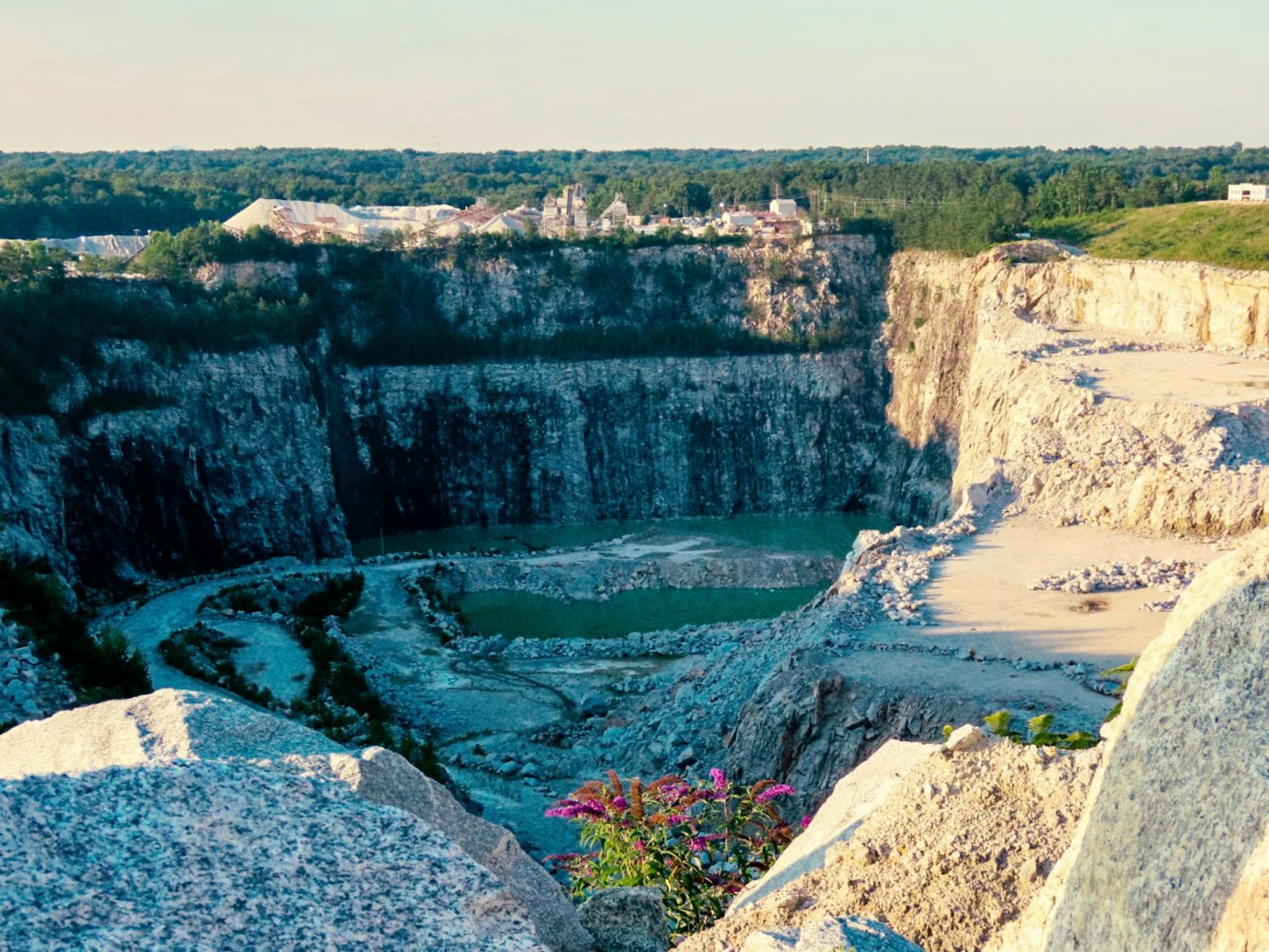
The lawsuit traces back to 3M’s Greystone Quarry operation, where the company manufactured colored granules for roofing shingles. During that process, fine powder containing PFAS chemicals was generated as a byproduct.
Instead of proper disposal, that powder was spread on quarry access roads and dumped into an unlined section of the quarry itself. The Wisconsin DNR approved the site as a landfill, but without the protective barriers you’d find at a proper dump — no clay lining, no pumps to prevent seepage.
“This quarry has no type of barriers, physical barriers, to keep the PFAS from migrating off of the site,” said Gabriel Vazquez, an attorney with Napoli Shkolnik representing affected residents.

Investigative reporting by the Wausau Pilot and Review found PFAS levels in groundwater beneath the quarry reaching nine times higher than federal safety limits. For context, the EPA advises keeping PFOA and PFOS below 4 parts per trillion in drinking water.
Here’s where the story gets more complicated for the Village of Maine.
That PFAS-laden powder wasn’t just dumped at the quarry. Starting 30 to 40 years ago, 3M sold it as commercial fill material throughout Maine and the Wausau area. Homeowners bought it cheap for landscaping projects, foundation work, and driveway base.
Road crews used it to pave local roads. In winter, they spread it as a traction aid on icy surfaces.
“Every time you mention the 3M fill material, clients say ‘Oh yeah, I brought that in! I used that for this and that,'” Vazquez explained at a recent town hall meeting.
“It’s not only the proximity to the quarry that can put you at risk, it’s bringing in, it’s depositing that fill material on your property. We know that this material has been deposited all over the town of Maine, and beyond.” — Gabriel Vazquez, attorney
This means contamination could extend far beyond the quarry’s immediate footprint. Anyone who used the fill decades ago might be sitting on a PFAS source right now.

The CDC has linked PFAS exposure to several serious health effects. Research suggests connections to high cholesterol, pregnancy complications, and cancers of the kidney and testicles.
For Village of Maine residents relying on private wells — the norm in rural Marathon County — there’s no municipal water system to switch to. Families are left testing their own water, buying bottled supplies, and worrying about years of exposure they didn’t know was happening.
About 25 people attended Vazquez’s informational session in early May 2026, though getting the word out remains challenging in this spread-out community of roughly 800 residents.
Attorneys recommend that anyone living within five miles of the Greystone Quarry, or who’s used 3M fill material, should take two steps:
This lawsuit fits into a broader pattern of PFAS contamination cases hitting Wisconsin communities. 3M has already agreed to billions in national settlements for public water system contamination, though private well cases like Maine’s typically require separate litigation.
The environmental stakes extend beyond individual properties. The quarry sits near the Big Rib River watershed, a system that feeds local fishing spots and connects to the larger Northwoods water network. PFAS mobility in our region’s sandy, glacial soils means contamination can travel.
Marathon County’s economy leans heavily on both manufacturing and tourism, generating over a billion dollars annually. PFAS cleanup costs could run into the millions, and the “contamination zone” label carries a stigma that might affect property values and visitor perceptions.
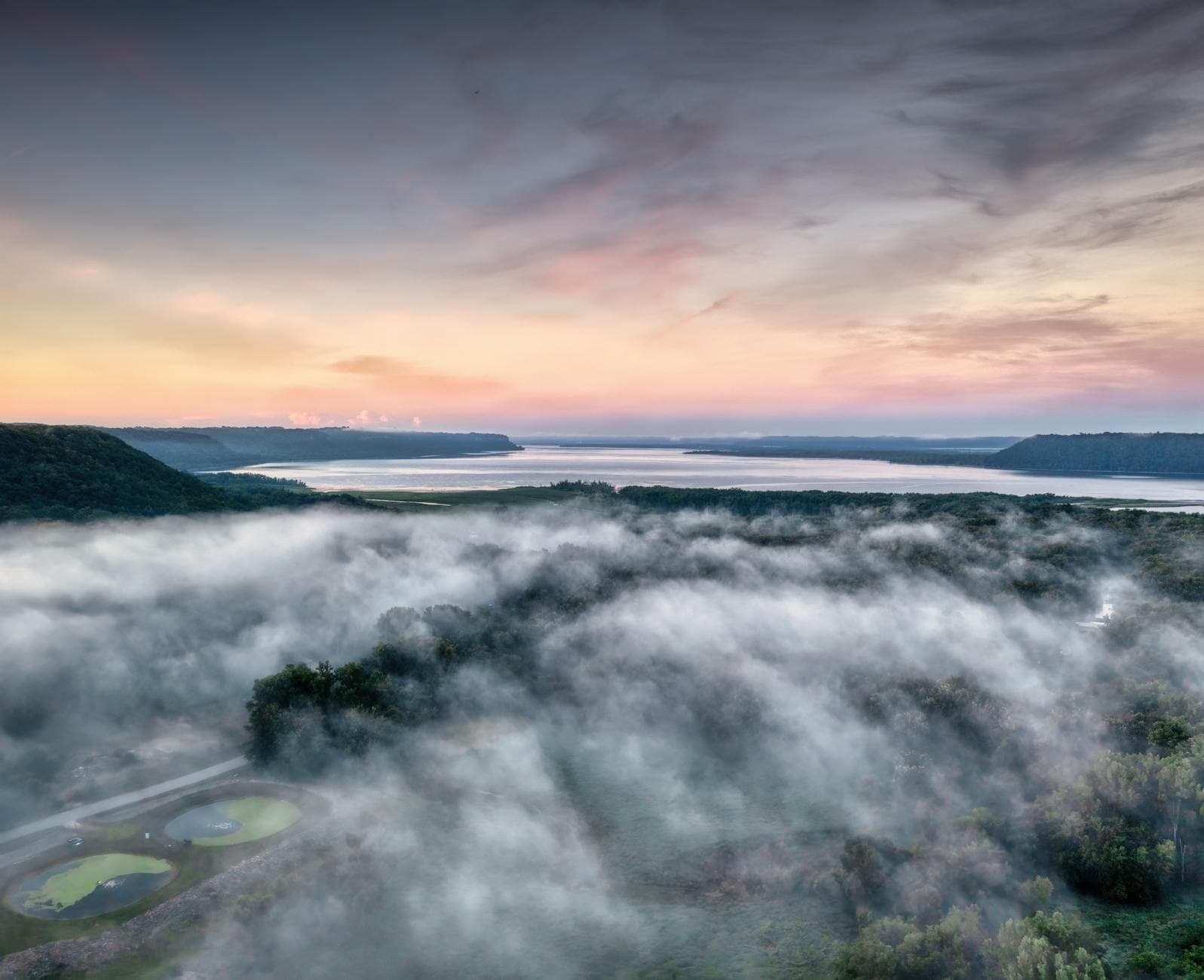
The quarry’s karst geology — porous limestone formations — makes the situation worse. These geological features allow faster movement of contaminants through groundwater systems, which is why testing has likely caught PFAS spreading beyond the immediate site.
3M declined to comment on the lawsuit. The company phased out PFOA production back in 2002 after EPA pressure, but the legacy of those chemicals persists in communities like Maine.
As litigation begins, attorneys are still investigating the full scope of contamination. The “million dollar question,” as Vazquez put it, is exactly how many people have been affected.
For now, residents are taking matters into their own hands — testing wells, attending town halls, and joining the class action. It’s a stark reminder that environmental decisions made decades ago can echo through Northwoods communities for generations.
If you’re in the Village of Maine area or Marathon County and concerned about PFAS exposure, don’t wait for answers to find you. The combination of proximity to the quarry and widespread use of that fill material means this issue likely touches more families than the current 25 plaintiffs suggest.
Test your water. Know what’s flowing from your tap. Our Northwoods lakes and forests have always defined life up here — it’s time to make sure the water we depend on is as clean as the landscape we cherish.
Written by

Mike has been coming up or living in the Northwoods since his childhood. He is also an avid outdoorsman, writer and supper club aficionado.
 News
NewsWild Instincts in Rhinelander is caring for over 100 baby animals this spring. Here’s what to do—and not do—when you find wildlife during yard work.
 News
NewsMarathon City’s new $4.2M sports complex opened after six years of community fundraising, transforming farmland into ballfields, courts, and a playground that signals the village’s commitment to young families.
 News
NewsBob Krueger brought lunar colonization science to Minocqua Public Library this week, discussing moon resources and NASA’s timeline for permanent bases by 2035.
 News
NewsOneida County’s invasive species poster contest drew a record 676 student entries, turning young Northwoods learners into conservation teachers who spread the word about threats to our lakes and forests.