

What is new for Northwoods Drifter in 2026
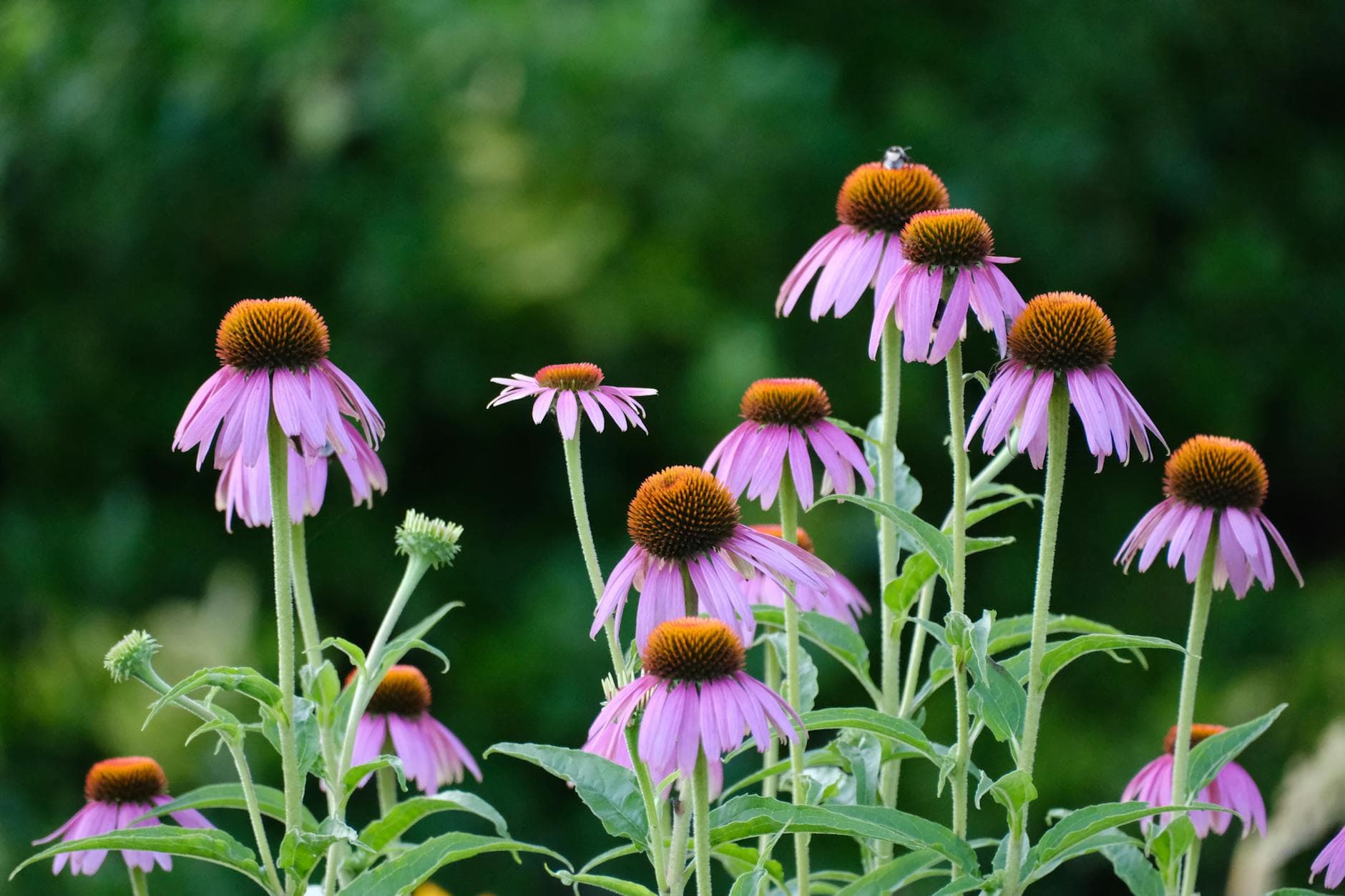
If you’ve ever killed a fancy garden center plant by July, you’re not alone. Gardening in the Northwoods isn’t for the faint of heart — our short growing season, acidic soils, and surprise May frosts can humble even experienced gardeners.
But here’s something most folks don’t realize: going native might actually be the easier path.
That was the message Anna Vogt, Woods and Water Director at North Lakeland Discovery Center, brought to a packed room at Boulder Junction Library this spring. Her advice? Stop fighting our environment and start working with it.
Walk through any Northwoods forest and you’ll see plants that have been thriving here for thousands of years. They’ve survived ice storms, late frosts, and our famously fickle springs without anyone watering or fertilizing them.
Native species like Jacob’s Ladder, Wild Columbine, and Prairie Smoke come pre-programmed for our climate. They know our soil. They’re comfortable with our weather patterns.
“They’ve been living here for hundreds of years, if not thousands of years,” Vogt explained to the gardeners gathered at the library.
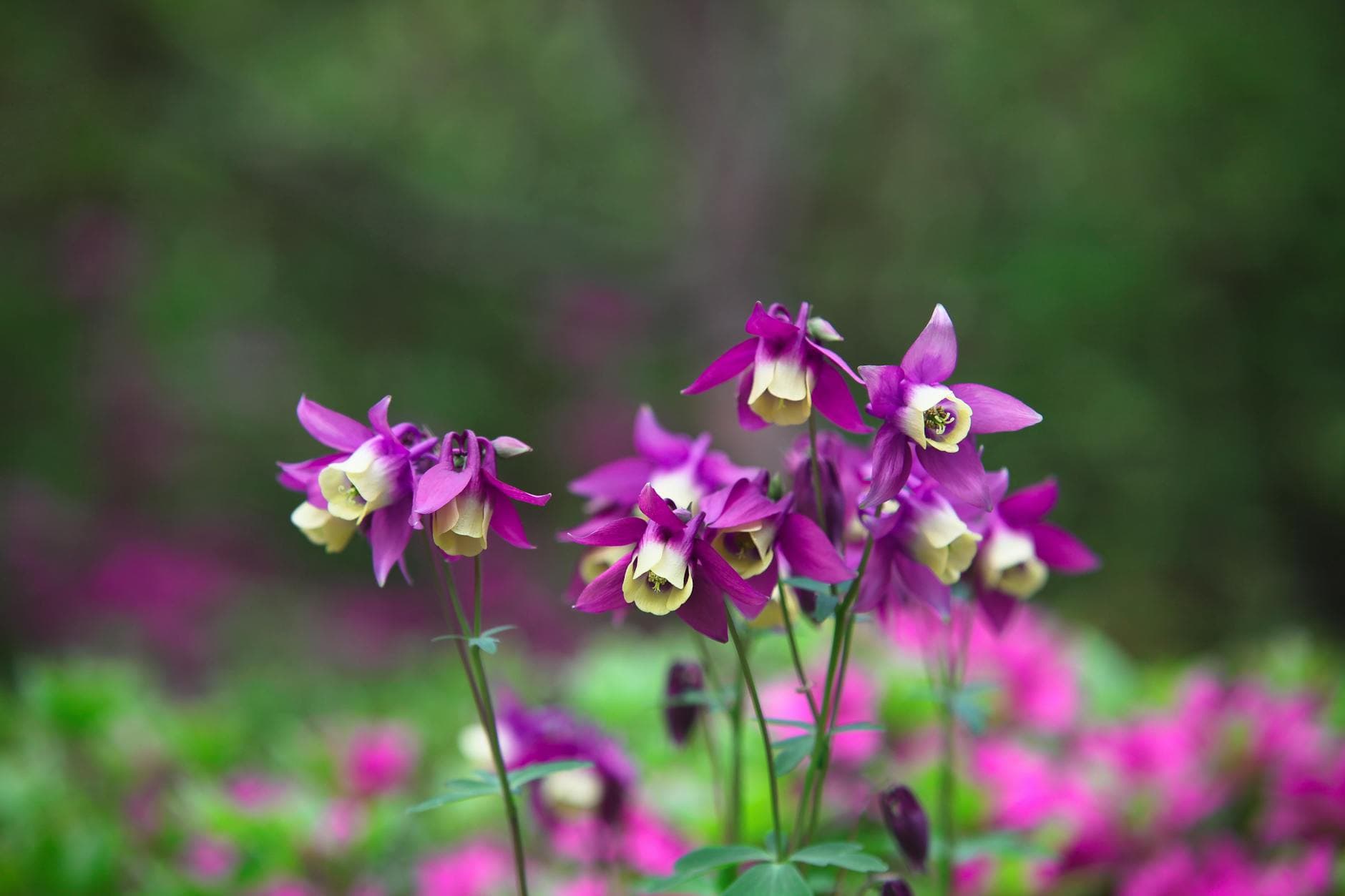
Compare that to tropical annuals bred for Ohio suburbs or perennials designed for milder climates. Those plants need constant help just to survive.
Native plants do more than just survive — they actually improve your property while they’re at it.
Their root systems dig deep into our sandy soils, preventing erosion along shorelines and lakefronts. They filter stormwater naturally before it reaches our lakes. And unlike imported ornamentals that often need chemical fertilizers, natives build soil health on their own.
“Nonnatives, or plants from other areas, a lot of our pollinators don’t know what they are sometimes, and might not use them like they do our native species.” — Anna Vogt, North Lakeland Discovery Center
That pollinator connection matters more than most gardeners realize. Our local bees, butterflies, and other insects evolved alongside these plants. They recognize them. They know how to use them.
Plant a garden full of imports, and you might have pretty flowers that local pollinators simply ignore.
The Discovery Center planted a demonstration garden at Boulder Junction Library last fall. By late May, nothing was blooming yet — because May was cold and blustery, as it tends to be up here.
But the leaves were coming up strong: Jacob’s Ladder, Columbine, and Prairie Smoke all sprouting despite the weather.
Here are native species that thrive in Northwoods gardens:
The catch? Patience. Vogt warns that native gardens don’t hit their stride immediately.
“When it’s really, really thriving is usually year three and on,” she said.
Forget everything you know about spring planting season. For native Northwoods plants, fall is actually the best time to start.
Many native seeds need what’s called a stratification period — time spent cold and moist before they’ll germinate. Our winters do this work naturally.
“It can be as easy as, you throw seeds out,” Vogt explained. “What they do is they go through a stratification period” under the snow.
Just before the first snowfall is ideal timing. The seeds settle in, experience winter conditions, then emerge in spring ready to grow.
If you’re starting now, in late spring or early summer, here’s the approach:
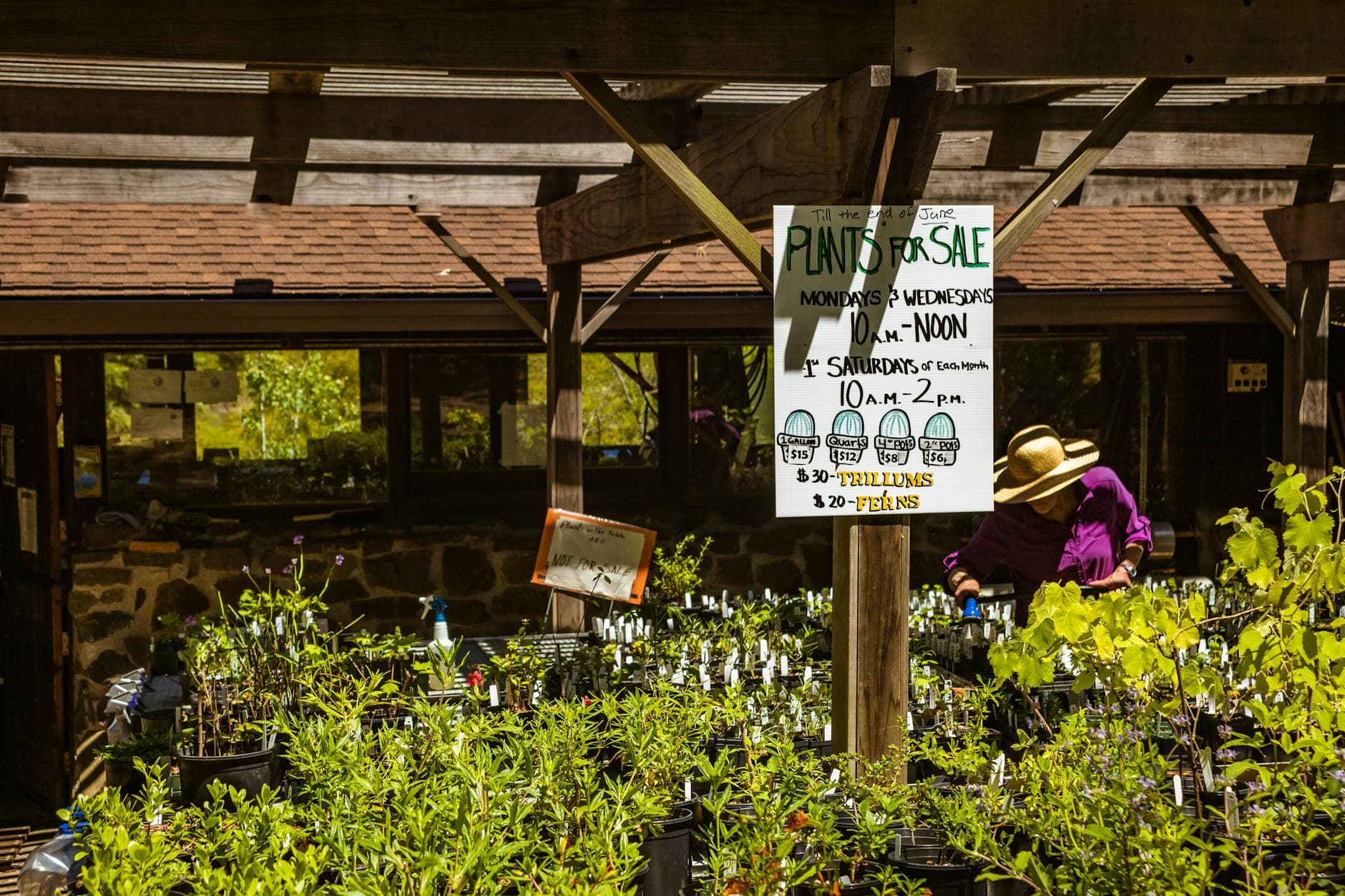
The North Lakeland Discovery Center hosts an annual native plant sale each June in Manitowish Waters, offering species specifically suited to our region.
You don’t need to rip out your entire landscape tomorrow. Start with one bed. Try a few species.
Native gardens develop personality over time. Year one, they’re getting established. Year two, they’re filling in. By year three, you’ll have a garden that practically takes care of itself.
No more replacing dead plants every summer. No more fighting the soil chemistry. No more wondering why your pollinators aren’t showing up.
The Garden Club at North Lakeland Discovery Center offers ongoing education and community support for anyone interested in learning more about native gardening in the Northwoods.
Sometimes the easiest path forward is the one that’s been here all along. Our native plants figured out how to thrive in this landscape long before we arrived. Maybe it’s time we let them teach us how it’s done.
Written by

Mike has been coming up or living in the Northwoods since his childhood. He is also an avid outdoorsman, writer and supper club aficionado.
 News
NewsWild Instincts in Rhinelander is caring for over 100 baby animals this spring. Here’s what to do—and not do—when you find wildlife during yard work.
 News
NewsMarathon City’s new $4.2M sports complex opened after six years of community fundraising, transforming farmland into ballfields, courts, and a playground that signals the village’s commitment to young families.
 News
NewsBob Krueger brought lunar colonization science to Minocqua Public Library this week, discussing moon resources and NASA’s timeline for permanent bases by 2035.
 News
NewsOneida County’s invasive species poster contest drew a record 676 student entries, turning young Northwoods learners into conservation teachers who spread the word about threats to our lakes and forests.