

What is new for Northwoods Drifter in 2026
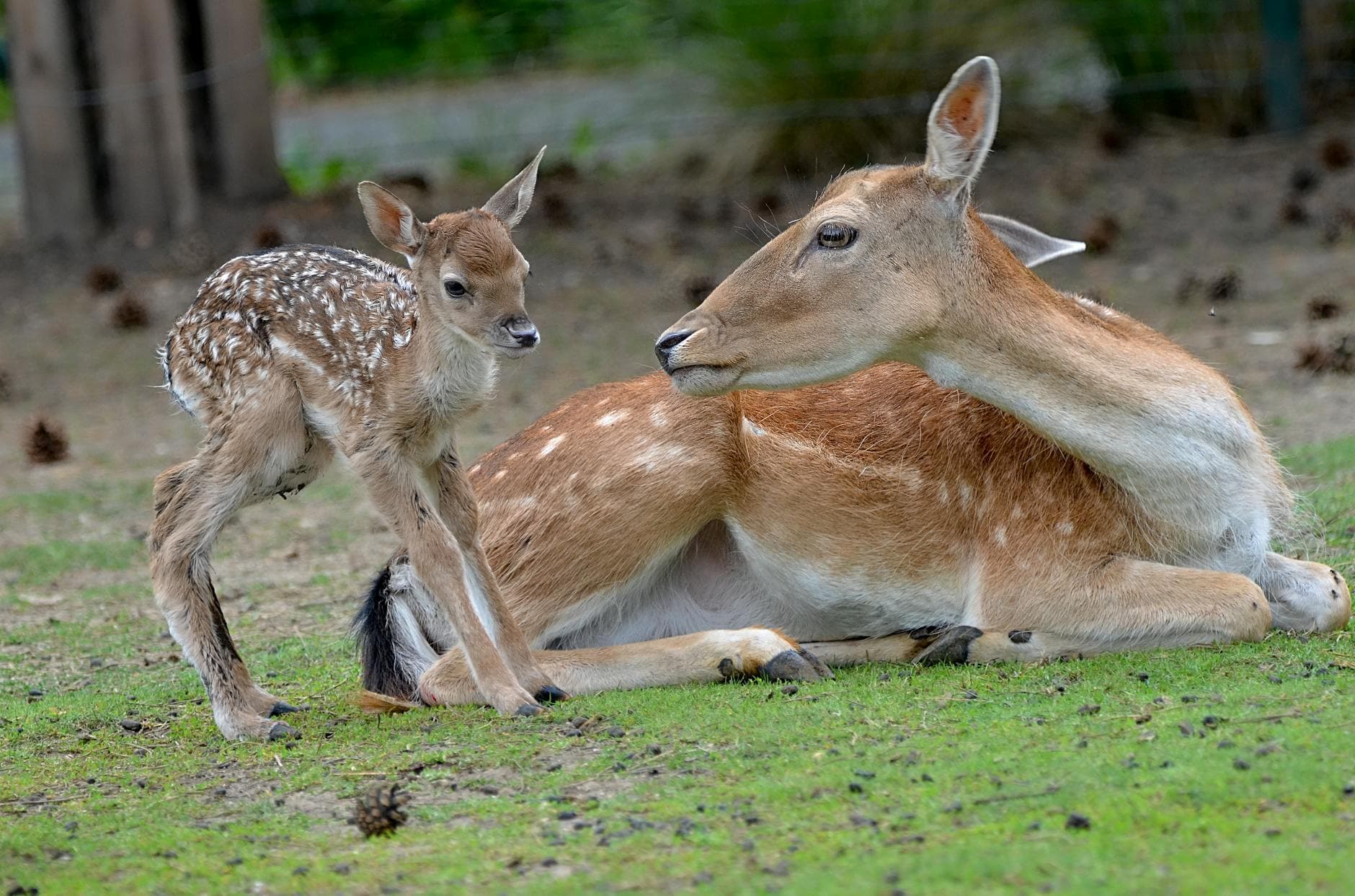
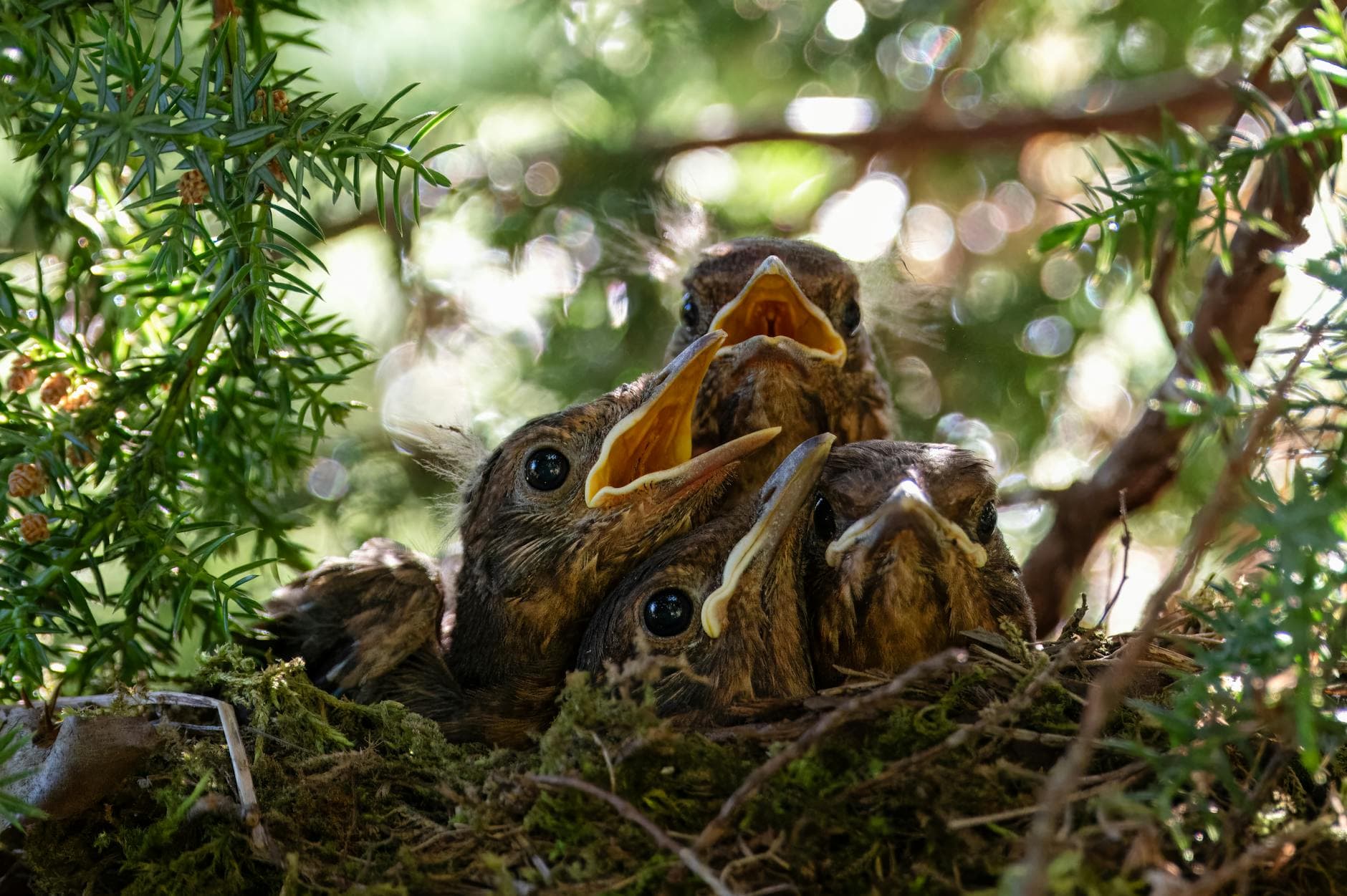
Spring in the Northwoods means thawing lakes, budding trees, and an explosion of baby wildlife. This year, that explosion has Wild Instincts Wildlife Rehabilitation Center in Rhinelander working overtime.
The facility is caring for over 100 baby animals right now — a seasonal surge that has Mark Naniot and his small team feeding, cleaning, and nurturing orphaned critters from dawn until well past dark.
“We start at 7 o’clock in the morning and we go until after 9 o’clock every day,” says Naniot, who co-founded the center with his wife Stacie. “It’s constant feedings throughout the day.”
Most of these tiny patients arrive because someone trimmed a tree or cleaned out a shed.
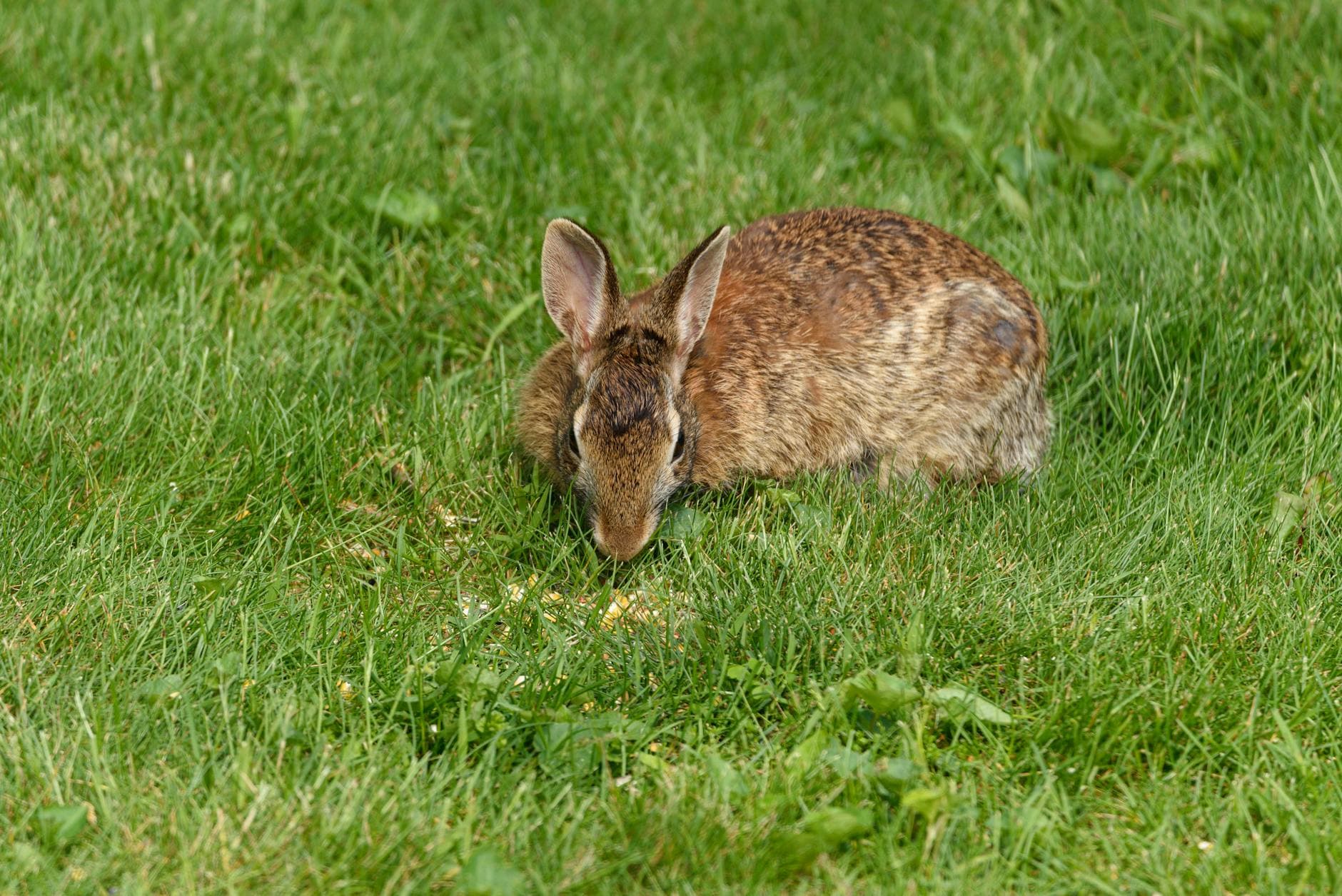
Around 30 baby squirrels and 30 baby bunnies make up the bulk of current admissions. Folks doing spring yard work discover nests tucked in unexpected places — woodpiles, garage rafters, overgrown brush near the dock.
What looks like abandonment usually isn’t. Mother squirrels and rabbits leave their young alone while foraging, a strategy that keeps predators from following scent trails back to the nest.
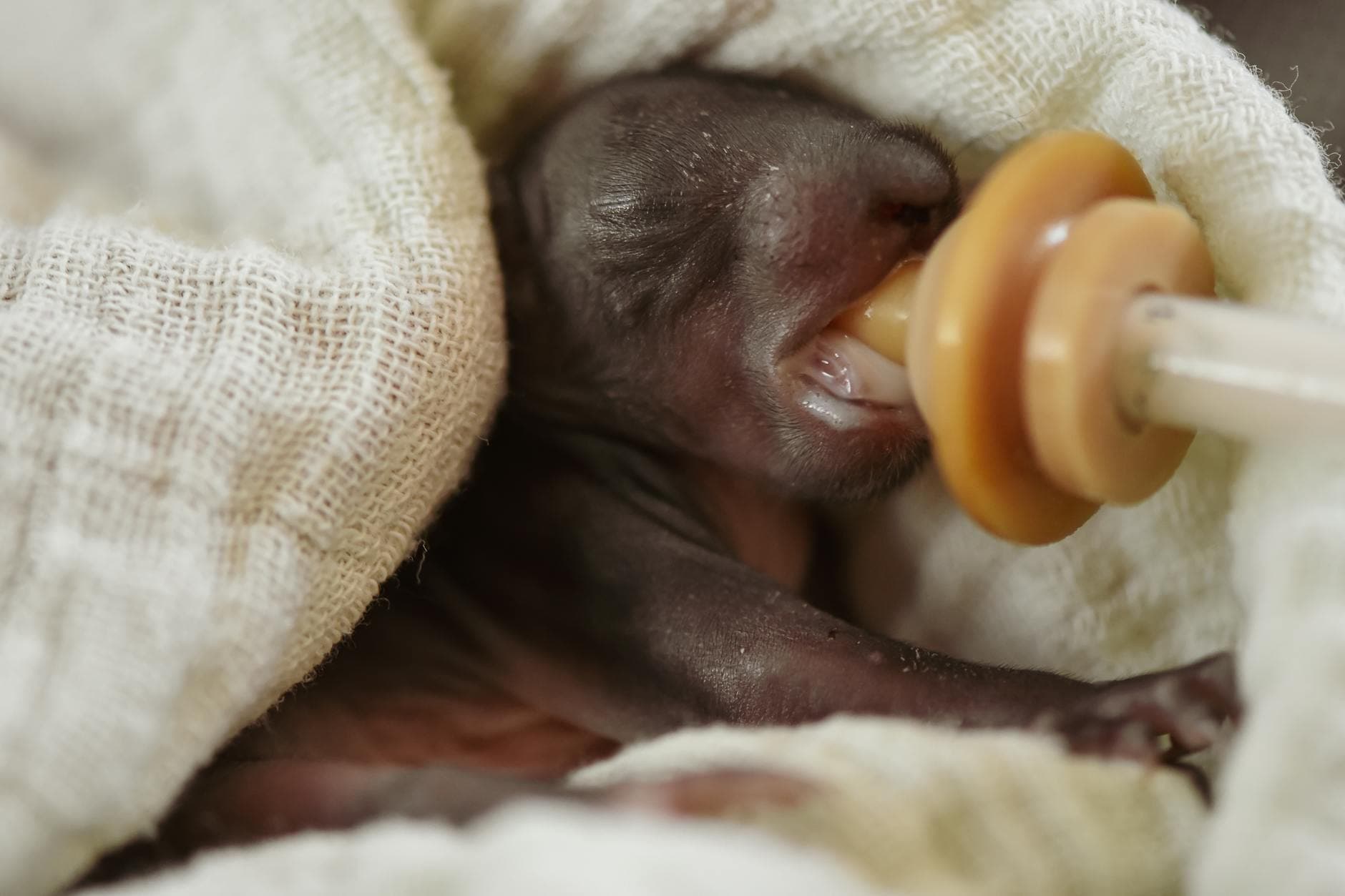
But when humans move that nest or handle the babies, mama often won’t return. That’s when Wild Instincts gets the call.
The center operates 24/7, fielding questions from well-meaning residents who genuinely want to help. Naniot’s advice is simple: call first, act second.
Among the current patients are baby woodchucks the staff has nicknamed “Chucklets” — and their story highlights a common mistake.
Someone trapped a mother woodchuck intending to relocate her. Because it was too early in the season, the animal ended up at Wild Instincts temporarily.
“Unfortunately, it had babies while it was here and then it had some sort of seizure and passed away, and now we are raising the babies.”
Naniot has seen this pattern play out repeatedly. A homeowner traps a mother raccoon or woodchuck, drives her ten miles down the road, then discovers babies crying back at the property.
Those orphaned young become the rehab center’s responsibility — babies that need round-the-clock bottle feeding, temperature regulation, and eventually, the skills to survive in the wild.
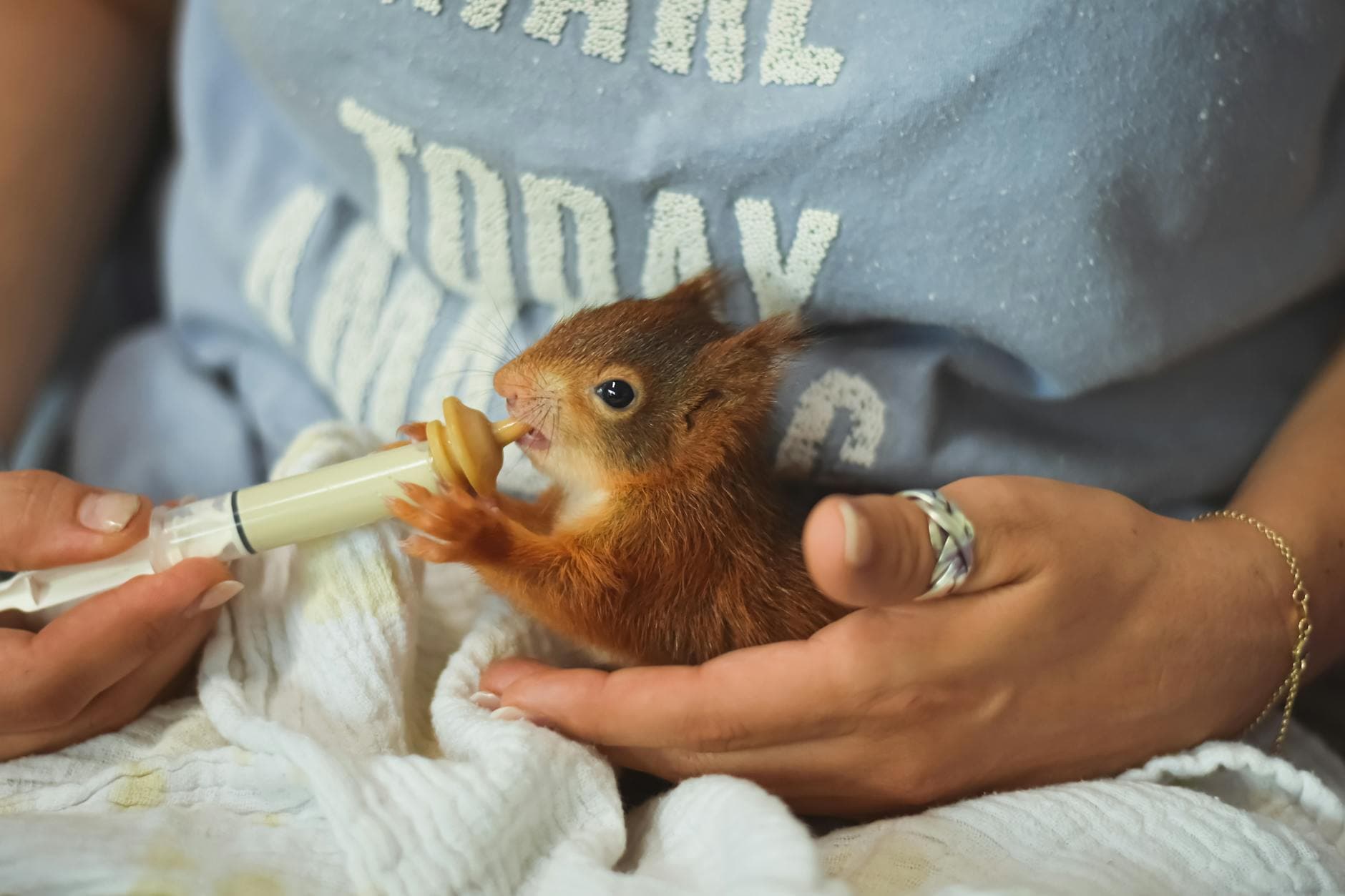
Wild Instincts runs on dedication more than budget. Naniot, his wife, and six staff members handle the workload — no small feat when you’re caring for more than 100 animals simultaneously.
Each species requires different care protocols:
Paper towels fly off the shelves faster than you’d imagine. The center is currently asking for donations of towels to keep up with cleanup demands from all those hungry critters.
Since opening in 2012, Wild Instincts has rehabilitated over 20,000 animals. That’s two decades of late nights, worried phone calls, and the satisfaction of releasing a healthy animal back into Northwoods forests.
The urge to rescue is strong when you spot a baby bunny sitting alone in your yard or hear squeaking from a tree cavity.
But resist the impulse to intervene immediately. Wisconsin DNR guidelines emphasize that most baby animals aren’t actually orphaned — they’re waiting for mom to return.
Here’s what Naniot recommends:
Wisconsin law allows you to temporarily possess wildlife for up to 24 hours solely for transport to a licensed rehabilitator. Beyond that, you’re breaking the law and potentially harming the animal’s chances of survival.
This spring surge isn’t unique to 2024. Wildlife centers across the region report similar patterns each year as the Northwoods wakes up.
Our mixed forests and abundant lakes support thriving populations of squirrels, rabbits, raccoons, and woodchucks. When human activity intersects with wildlife habitat — which it does constantly in places like Oneida and Vilas Counties — conflicts arise.
The good news? Community awareness is growing. More residents now call before they trim, check sheds before they clean, and know where to find help when they accidentally disturb a nest.
Wild Instincts’ work matters beyond individual animal lives. Every squirrel released back into the forest, every bunny hopping off into the underbrush — these small victories maintain the biodiversity that makes the Northwoods special.
If you’re planning spring projects around your property, take a moment to survey the area first. Look for nests, listen for rustling, and remember that the Northwoods is home to more than just us humans.
And if you do find yourself face-to-face with baby wildlife, you know who to call. Wild Instincts is open 24/7 at their facility on Highway 8 in Rhinelander, ready to walk you through what comes next.
Written by

Mike has been coming up or living in the Northwoods since his childhood. He is also an avid outdoorsman, writer and supper club aficionado.
 News
NewsWild Instincts in Rhinelander is caring for over 100 baby animals this spring. Here’s what to do—and not do—when you find wildlife during yard work.
 News
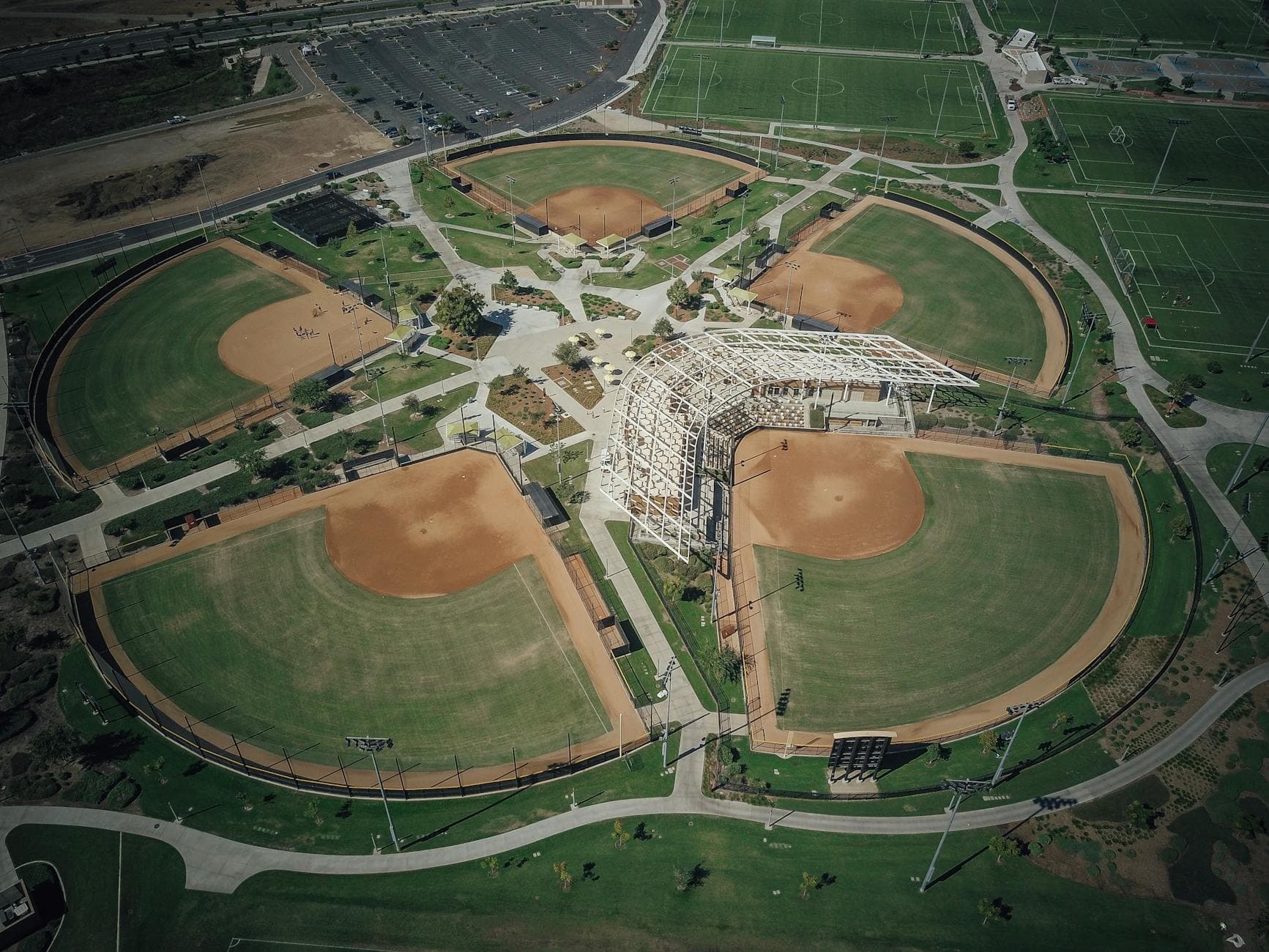
NewsMarathon City’s new $4.2M sports complex opened after six years of community fundraising, transforming farmland into ballfields, courts, and a playground that signals the village’s commitment to young families.
 News
NewsBob Krueger brought lunar colonization science to Minocqua Public Library this week, discussing moon resources and NASA’s timeline for permanent bases by 2035.
 News
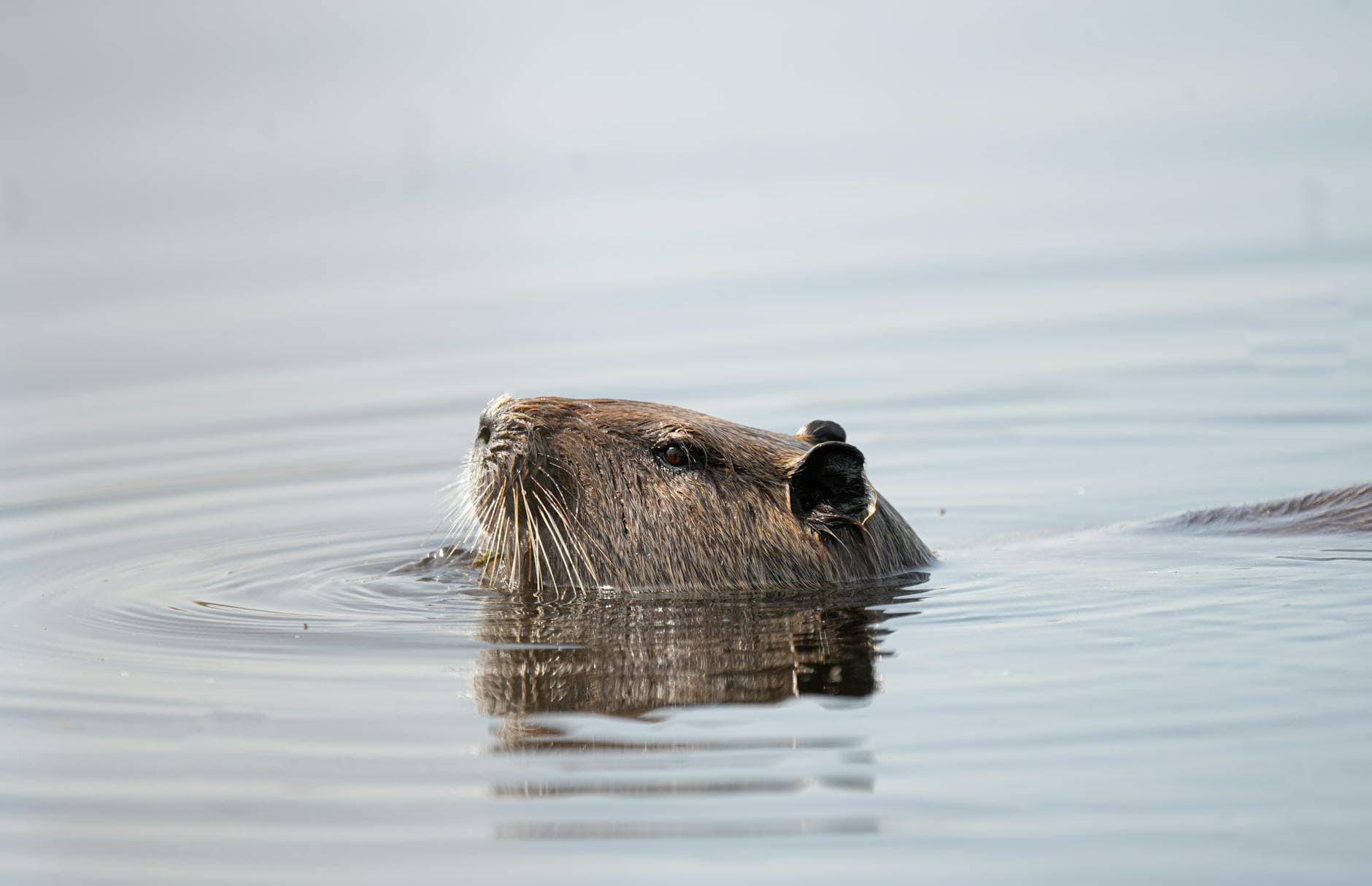
NewsOneida County’s invasive species poster contest drew a record 676 student entries, turning young Northwoods learners into conservation teachers who spread the word about threats to our lakes and forests.